Просмотр новости
Найдите то, что Вас интересует
 Спутники
 РН
РН SpaceX
 Роскосмос
 NASA
NASA
СпутникиРНSpaceXРоскосмосNASAThis week on The Florida Roundup, we looked at the official federal forecast for the Atlantic hurricane season that begins June 1 with meteorologist John Morales (00:00). Then we spoke about emergency response and preparedness with former FEMA administratior Craig Fugate (13:40). We also spoke with the mayors of Daytona Beach Shores and Cedar Key to talk about how their coastal communities are preparing for this year’s storm season (21:26). Plus, Your Florida reporter Meghan Bowman joined us to discuss Gov. Ron DeSantis’ property tax plan and the new state budget (28:52). And later, we learned about how more municipalities and private homeowners in the Tampa Bay region are embracing a natural alternative to cement seawalls (37:12) and other environmental news (45:54).

Published May 29, 2026 at 5:37 PM EDT
NOAA
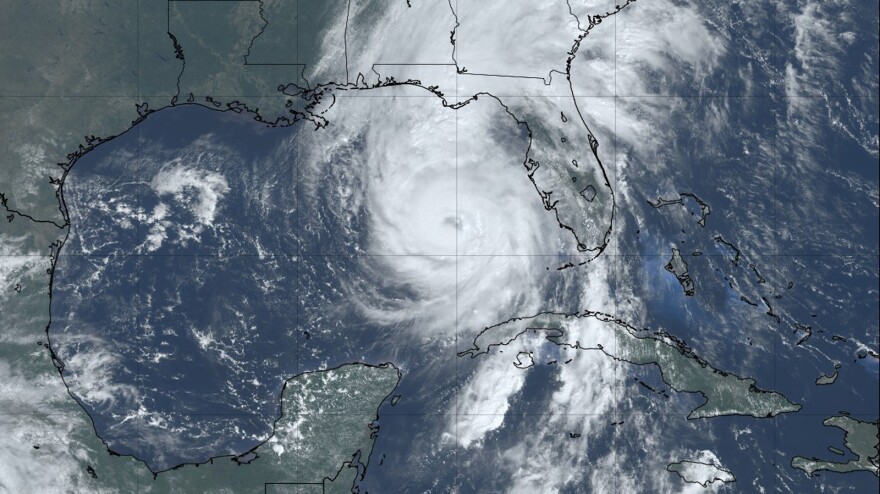
Hurricane season begins
This year’s hurricane season is about to begin and federal forecasters expect slightly less activity in the Atlantic than average.
The National Weather Service is predicting a total of eight to 14 named storms with a 55% chance of a below-normal hurricane season.
But it’s still critical to prepare for the six-month period as it only takes one storm to cause deadly flooding and major damage.
Guests:
DeSantis’ property tax plan
Legislators this week passed a $114.5 billion spending plan for the state government. It comes after weeks of negotiations between the Florida House and Senate after the two chambers failed to pass a budget on time.
And lawmakers will be back in Tallahassee next week for another special session called by Gov. Ron DeSantis to consider his proposal to eliminate most property taxes for homeowners.
Guest:
Living shorelines and environmental news
Florida has the longest coastline in the contiguous United States with about 8,500 miles of tidal shoreline. That makes the sunshine state particularly vulnerable to rising sea levels.
But instead of cement and steel, how about seashells and mangroves to stabilize coastlines? It’s called “a living shoreline” and it’s gaining momentum across the Tampa Bay Region.
Plus, researchers at the University of South Florida Optical Oceanography Lab expect 2026 to be a record year for sargassum. The leafy brown seaweed already showed up over the Memorial Day weekend on the shores of South Florida and up the Space Coast to the beaches of Jacksonville.
And after a few weeks of swarms, Florida’s springtime lovebug season is winding down. The next season comes in August and September.