Просмотр новости
Найдите то, что Вас интересует
 Спутники
 РН
РН SpaceX
 Роскосмос
 NASA
NASA
СпутникиРНSpaceXРоскосмосNASAMilk is packed with nutrients, but it isn't the right choice for everyone. Cardiologist explains who should drink it and who may need to avoid it.

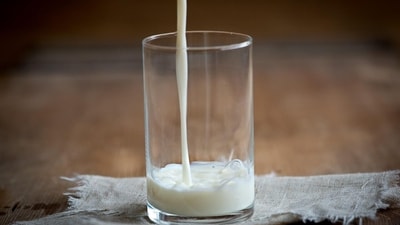
Milk has long been considered a nutritional staple, praised for its protein, calcium and vitamin content. However, not everyone digests it the same way. According to interventional cardiologist Dr Vivek Veeram Reddy, whether milk is good for you depends largely on your body’s ability to digest lactose, the natural sugar found in milk. (Also read: Why more young adults are being diagnosed with colon cancer: Oncologist Dr Ravi K Gupta shares risk factors and symptoms )
Explaining the difference between breast milk and animal milk, Dr Reddy shared in his August 1 Instagram post, “We all consume breast milk during infancy, but after that, most of us switch to animal milk. The ability to digest animal milk varies from person to person because it depends on how much lactase enzyme your body produces.”
Lactase is the enzyme responsible for breaking down lactose. When the body doesn’t produce enough of it, people may develop lactose intolerance, making it difficult to digest milk.
According to Dr Reddy, genetics and ancestry play a significant role in lactose tolerance. “People from Northern India and many European populations have historically consumed more milk, so lifelong lactose tolerance is more common among them. In contrast, lactose intolerance tends to be more prevalent in South Indians, making some people more likely to experience digestive discomfort after drinking milk,” he explained.
Research has consistently shown that Northern Europeans have some of the highest rates of lifelong lactose tolerance, while South Indians have a higher prevalence of lactose malabsorption than North Indians due to genetic differences.
If drinking milk leaves you feeling uncomfortable, it doesn’t necessarily mean milk is unhealthy.
“If milk causes bloating, gas, abdominal discomfort or diarrhoea, it may simply indicate lactose intolerance rather than milk being harmful. In such cases, it’s worth reducing or avoiding milk and seeing if your symptoms improve,” Dr Reddy said.
Common symptoms include:
Dr Reddy emphasised that there is no universal rule when it comes to milk consumption. “If you’re drinking unadulterated, minimally processed milk and your body tolerates it well, there’s no reason to avoid it. It can be safely consumed in moderation as part of a balanced diet,” he said.
However, if milk consistently causes digestive issues, eliminating it is not necessarily a nutritional setback.
According to Dr Reddy, many nutrients found in milk can be obtained from other foods. “Calcium can also be obtained from foods such as almonds, although they are higher in calories. Similarly, eggs provide high-quality protein and several essential nutrients, making them a good alternative for those who cannot tolerate milk,” he explained.
He also pointed out that many people with lactose intolerance are still able to tolerate fermented dairy products because they contain much less lactose. “Curd, yoghurt, paneer, cheese and even smaller portions of milk are often better tolerated than a full glass of milk,” he added.
Dr Reddy stressed that nutrition should always be personalised rather than driven by myths or viral social media trends. “There is no one-size-fits-all diet. If milk suits your body, you can continue consuming it in moderation. If it doesn’t, there are plenty of other nutritious foods that can help meet your dietary needs,” he concluded.
Dr Vivek Veeram Reddy is an interventional cardiologist from Guntur. He completed his MBBS from KMC Manipal and earned his MD in General Medicine from Alluri Sita Ramaraju Academy of Medical Sciences, Eluru.
Note to readers: This article is for informational purposes only and not a substitute for professional medical advice. Always seek the advice of your doctor with any questions about a medical condition.
This report is based on user-generated content from social media. HT.com has not independently verified the claims and does not endorse them.

Akanksha Agnihotri is a lifestyle journalist with over 3 years of experience. She is a psychology graduate and holds a postgraduate diploma in Radio and Television Journalism from the Indian Institute of Mass Communication, Delhi, where she graduated as a gold medalist. Originally from Bhopal, the beautiful capital of Madhya Pradesh, she draws inspiration from the city’s rich cultural heritage and layered storytelling traditions that subtly shape her narrative voice. She writes extensively about fashion, beauty, health, relationships, culture, and food, exploring everything from trending styles and runway moments to wellness routines and mindful living. Passionate about meaningful and candid conversations, she enjoys interviewing celebrities, doctors, designers, and film personalities, diving into discussions on fitness, beauty, mental health, and everything fun in between. With a keen eye for trends and a thoughtful understanding of human behaviour, she brings depth, sensitivity, and authenticity to her stories, ensuring they resonate with a wide and diverse audience. When she’s not working, you’ll usually find her lost in a book, planning her next mountain trek, or mapping out spontaneous travel escapes. She loves discovering new authors, revisiting old favourites, and spending quiet afternoons in museums soaking in art, history, and culture. An avid bird-watching enthusiast, she finds joy in early morning walks, spotting rare birds, and reconnecting with nature. Whether sipping coffee while journaling her thoughts or exploring hidden corners of a new city, she constantly seeks inspiration in everyday moments that often turn into compelling story ideas.Read More
Catch every big hit, every wicket with Crick-it, a one stop destination for Live Scores, Match Stats, Quizzes, Polls & much more. Explore now!.
Catch your daily dose of Fashion, Taylor Swift, Health, Festivals, Travel, Relationship, Recipe and all the other Latest Lifestyle News on Hindustan Times Website and APPs.