Просмотр новости
Найдите то, что Вас интересует
 Спутники
 РН
РН SpaceX
 Роскосмос
 NASA
NASA
СпутникиРНSpaceXРоскосмосNASANew research from Rutgers University found that high school students who spent more time on social media and engaged more with beauty-related content tended to use more personal care products.
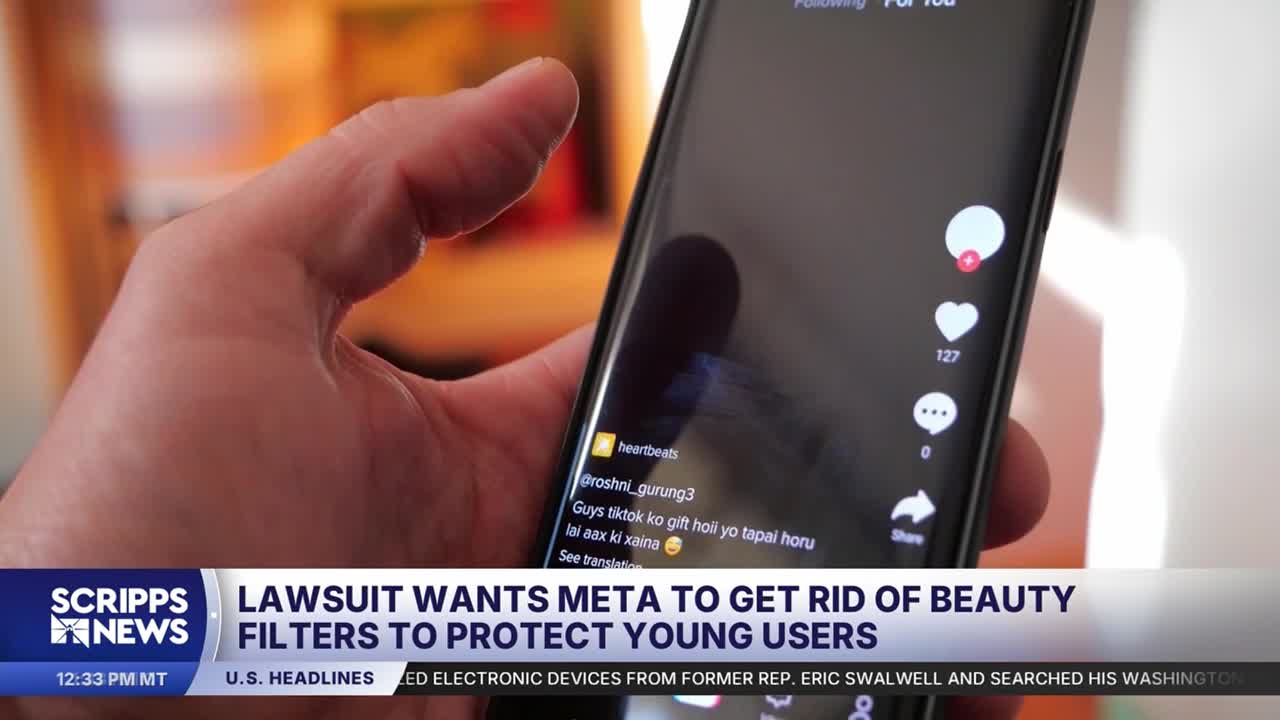
Dr. Smita Ramanadham said teenagers generally do not need anti-aging ingredients designed for older skin. (Scripps News)

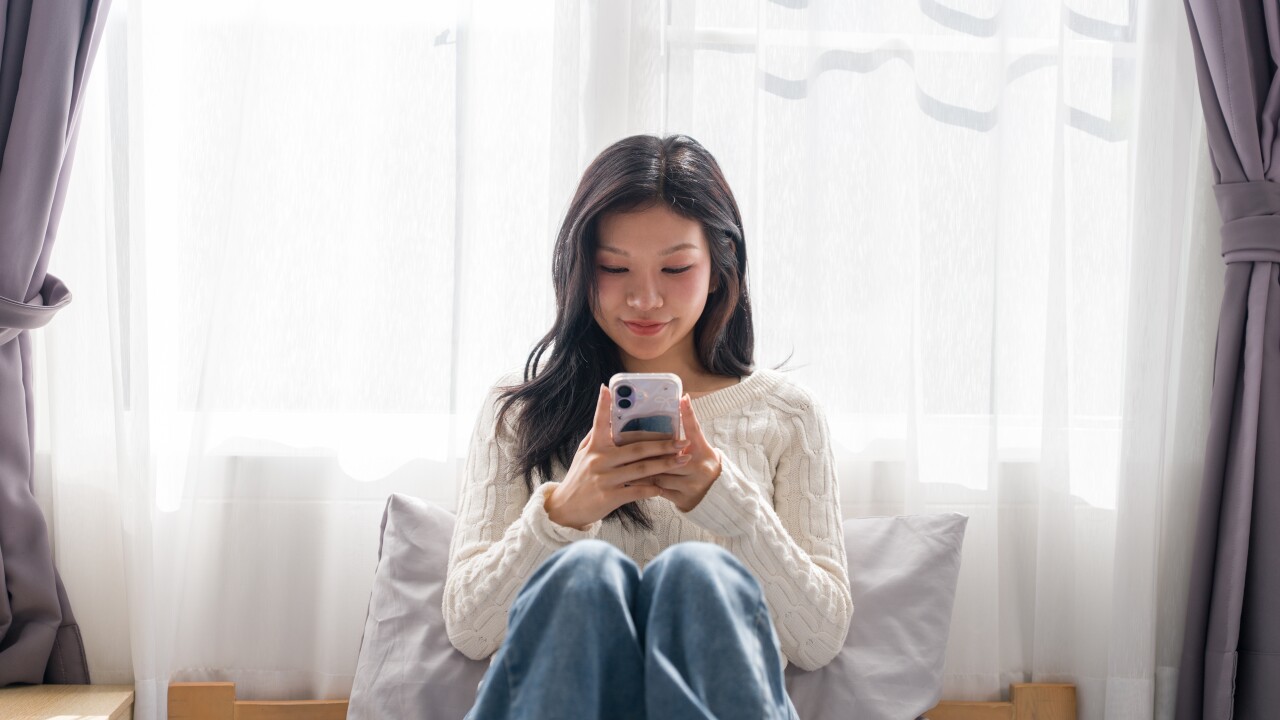
Social media is increasingly shaping how teenagers approach beauty and personal care.
New research from Rutgers University found that high school students who spent more time on social media and engaged more with beauty-related content tended to use more personal care products. Girls reported using a median of 14 products a day, twice the number reported by boys.
Some of those products, including soaps, makeup and serums, may contain harmful ingredients that can interfere with a person's hormones, researchers say.
"They're going through puberty," Dr. Smita Ramanadham, a board-certified plastic surgeon, noted. "There's a lot of hormone changes in their bodies, and then they're influenced by what they see on social media as to what they're supposed to be putting on their skin, what they're supposed to be looking like."
In addition to potential harmful ingredients in certain products, Ramanadham said layering numerous products on top of each other can cause problems.
RELATED STORY | New suit against Meta and Instagram alleges the platforms are designed to cause addiction
"When we layer the skin care products, especially with chemicals and active
ingredients, we can break down that skin barrier, so that ... our skin is not doing the job that it needs to do well and effectively," she said.
Ramanadham said teenagers generally do not need anti-aging ingredients designed for older skin and encouraged parents and teens to pay attention to ingredient lists and avoid unnecessary products.
Beyond skin care, there are other trends to be concerned about.
Ramanadham pointed to "looksmaxxing," an online trend focused largely on boys and young men that encourages them to maximize their physical appearance. While some versions promote exercise, grooming and healthy eating, more extreme content can promote steroids, peptides and other substances purchased online.
Another trend known as "tan-maxxing" encourages people to monitor the UV index and go outside without sunscreen when ultraviolet radiation is strongest in hopes of tanning more quickly.
Ramanadham said that puts people at risk of sunburn and long-term skin damage, including premature aging and skin cancer.
| # | Наименование новости | Тональность | Информативность | Дата публикации |
|---|---|---|---|---|
| 1 | Children’s social media use linked to higher depression and anxiety risk | 0 | 5.75 | 25-03-2026 |
| 2 | Teens who struggle to log off social media could face increased ADHD symptoms over time | 0 | 8.46 | 25-07-2026 |
| 3 | Studie weist Auswirkungen von Social-Media-Nutzung auf Schulleistungen nach | 0 | 12.49 | 03-08-2026 |
| 4 | Problematic Social Media Use Linked to Increased ADHD Symptoms in Adolescents | 0 | 8.03 | 07-08-2026 |
| 5 | Studie weist Auswirkungen von Social-Media-Nutzung auf Schulleistungen nach | 0 | 12.49 | 03-08-2026 |
| 6 | Wissen, Austausch, Vergleichsdruck: Was soziale Medien mit Jugendlichen machen | 0 | 5 | 16-07-2026 |
| 7 | More social media use linked to poorer sleep and self-rated health among college students | 0 | 7.87 | 22-09-2026 |
| 8 | Instagram and Social Media Are Making Us Forget What We Look Like | 0 | 6.85 | 14-08-2026 |
| 9 | Исследование: в среднем россияне проводят в соцсетях три часа в день | 0 | 0 | 06-10-2021 |
| 10 | Scientists tracked kids for 8 years — the screen time result was unexpected | 0 | 11.5 | 17-08-2026 |