Просмотр новости
Найдите то, что Вас интересует
 Спутники
 РН
РН SpaceX
 Роскосмос
 NASA
NASA
СпутникиРНSpaceXРоскосмосNASAHumans have occupied the International Space Station (ISS), which sits at about 248 miles (400 km) above sea level, for 25 years. Meanwhile, the sea, sitting at … well, sea level, with a maximum known depth of 6.8 miles, has never had a station manned for up to a month. Researchers are looking to change that with a new subsea habitat.Continue ReadingCategory: Marine, TransportTags: Underwater, Ocean, Research
Humans have occupied the International Space Station (ISS), which sits at about 248 miles (400 km) above sea level, for 25 years. Meanwhile, the sea, sitting at … well, sea level, with a maximum known depth of 6.8 miles, has never had a station manned for up to a month. Researchers are looking to change that with a new subsea habitat.
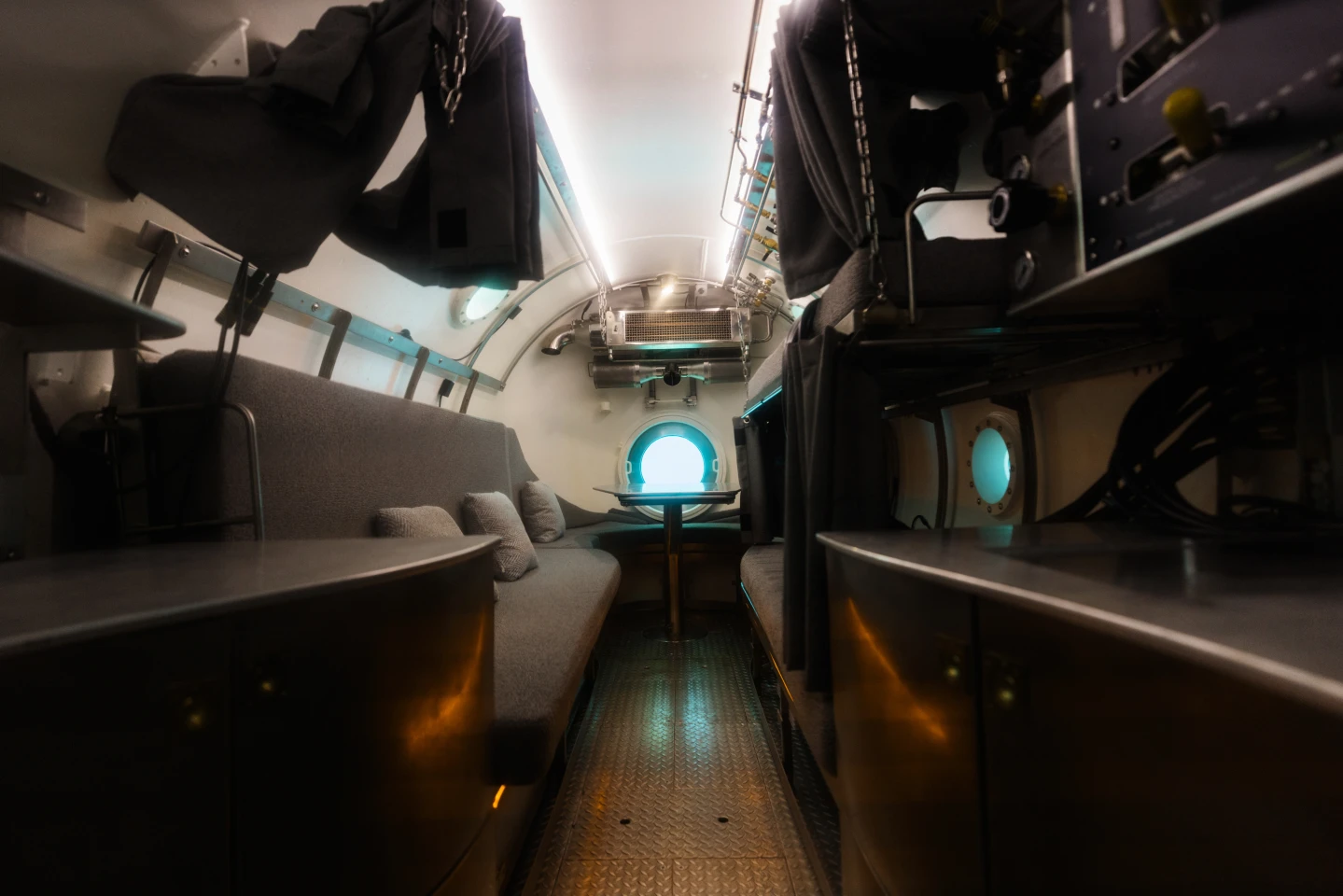
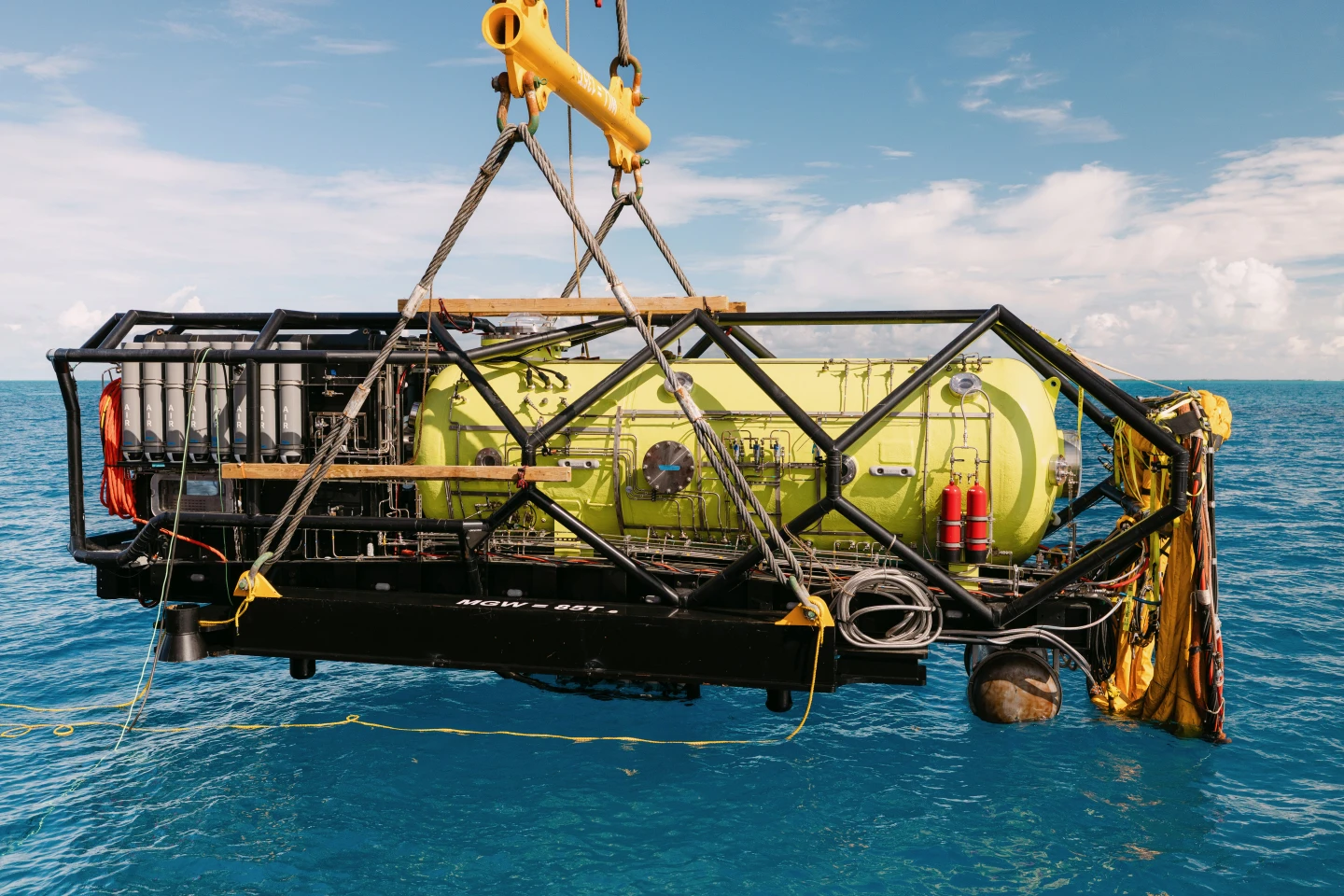
Introducing Vanguard, a 35-ft (10.7-m) underwater habitat developed by British ocean technology company DEEP. The company has successfully deployed the cylindrical habitat onto the seafloor off the coast of the Florida Keys, marking what it describes as the first open-ocean subsea human habitat to be built, tested, and deployed in the United States in more than four decades. While the habitat won't immediately begin hosting occupants, it has entered the final commissioning and sea-acceptance testing phase before welcoming its first crews later this year.
DEEP
The deep ocean remains remarkably inaccessible to humans. Conventional scuba divers are constrained by strict depth and decompression limits, so a significant portion of every dive is spent descending, ascending, and waiting to return safely to the surface. Even with advanced equipment, underwater research is largely conducted in short visits rather than through continuous human presence. This limitation makes long-term studies of coral reefs, marine ecosystems and subsea infrastructure difficult, while also increasing the cost and complexity of ocean science.
There’s currently a 357-foot (109-m)-long structure – the ISS – hurtling at 17,500 mph (28,164 km/h) around the Earth in the frigid-to-sweltering swinging vacuum of space, that scientists have called home for 25 years. On the other hand, we hardly have a fixed subsea base. The best-known is NASA's Aquarius Reef Base, operated off the coast of Florida from 1993 until its retirement in 2024.
DEEP
Aquarius allowed teams of "aquanauts" to live underwater for days or weeks at a time while conducting marine research and astronaut training. However, habitats like Aquarius have remained rare, leaving humanity without a permanent underwater research presence despite the oceans covering more than 70% of Earth's surface.
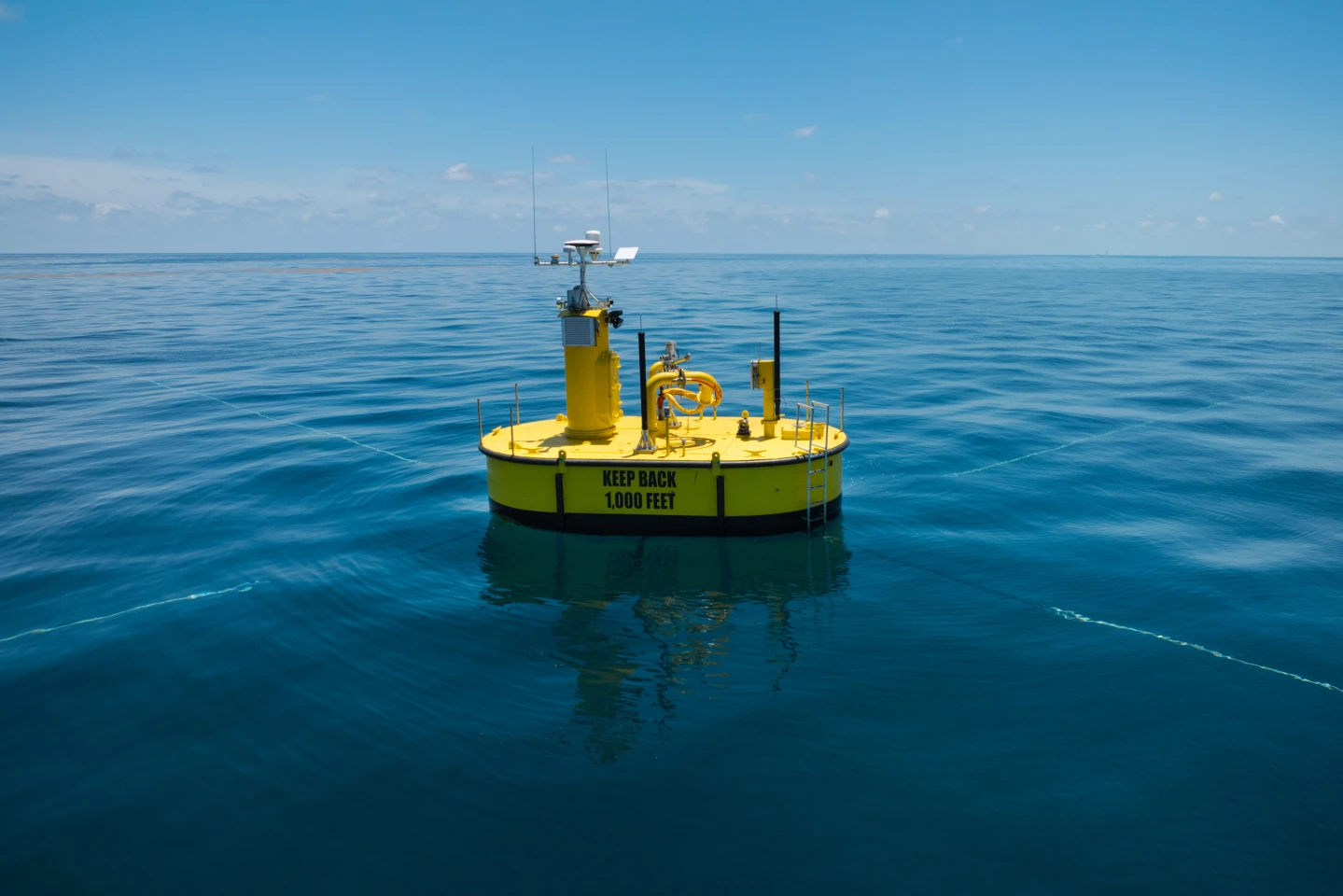
DEEP hopes Vanguard is the first step toward changing that. Installed at Tennessee Reef inside the Florida Keys National Marine Sanctuary at a depth of around 56 ft (17 m), the habitat measures 35 ft long and 8 ft (2.5 m) in diameter. It is designed to accommodate four aquanauts for missions lasting five days or longer, providing a pressurized living and working space from which researchers can carry out repeated dives without returning to the surface after each excursion.
DEEP
The habitat itself is only one part of a much larger vision. Vanguard serves as the technology demonstrator for Sentinel, DEEP's planned modular subsea habitat system intended to support month-long human missions on the seafloor. Experience gained from Vanguard's deployment and operation will feed directly into the design of Sentinel, helping engineers refine everything from life-support systems and logistics to underwater servicing procedures before scaling up to larger habitats.
Once operational, Vanguard is expected to support a broad range of scientific and commercial activities. Researchers will use it to study coral reef health, monitor long-term environmental change, test new underwater technologies and sensors, and investigate how humans adapt physiologically to extended periods underwater. The habitat could also serve as a training platform for astronauts preparing for future space missions, since living underwater shares many operational challenges with living in space, including isolation, confined spaces, and dependence on life-support systems.
This changes ocean exploration: DEEP unveils its pilot subsea habitat
Source: DEEP
| # | Наименование новости | Тональность | Информативность | Дата публикации |
|---|---|---|---|---|
| 1 | Deep-sea submersible will plunge tourists 3,280 feet into the unknown | 0 | 13.87 | 27-03-2026 |
| 2 | Two new mini-ROVs are set to explore the inky depths | 0 | 12.59 | 11-06-2026 |
| 3 | Triple-speed personal submarine steers nimbly through subaquatic world | 0 | 11.48 | 22-03-2026 |
| 4 | Агидель: Ночь 20 дек, Чт | 0 | 0 | 19-12-2018 |
| 5 | Внесены изменения в методику составления сметы и порядок обоснования НМЦК по закупкам в сфере строительства | 0 | 0 | 06-10-2022 |
| 6 | Директор онкоцентра им. Блохина подписал четыре заявления на увольнение детских онкологов | 0 | 0 | 03-10-2019 |
| 7 | Арамиль: Вечер 4 сен, Вт | 0 | 0 | 04-09-2018 |
| 8 | Massive floating fish farm sets new record in China | 0 | 14.42 | 18-06-2026 |
| 9 | Информация о Регламентных работах | 0 | 0 | 29-04-2015 |
| 10 | Шумков объяснил, какие врачи нужны в Кургане. Фото | 0 | 0 | 04-03-2025 |