Просмотр новости
Найдите то, что Вас интересует
 Спутники
 РН
РН SpaceX
 Роскосмос
 NASA
NASA
СпутникиРНSpaceXРоскосмосNASAWhether using foam shadow boards or digital tracking systems, helicopter maintenance organizations know that effective tool control starts with accounting for every tool.
The post Helicopter maintenance tool control: Why every tool counts appeared first on Vertical Mag.
Published on: August 21, 2026
Estimated reading time 18 minutes, 21 seconds.
A misplaced shop rag was sucked into the engine air intake of an MD 369E helicopter during a 2013 post-maintenance test flight, forcing the pilot to enter an autorotation and execute a hard landing on the right skid.
During another post-maintenance check in 2010, the pilot of an Airbus AS350 B3 helicopter and the two maintenance personnel on board heard a loud bang as the main rotor speed approached 100%.
After landing, the mechanics realized they were missing an adjustable wrench that had been used on the main rotor head. When it flew off the helicopter, it caused substantial damage to a main rotor blade, the tail boom, and the lower vertical stabilizer.
Fortunately, no one was seriously injured in either incident, but they serve as a reminder that, in aviation, a clean environment is a safe environment. Quite simply, lives are at stake
FOD, or foreign object debris, is defined as any item found in an aviation environment that could potentially damage an aircraft or injure people. Possible culprits include loose fasteners, tools, rocks, wildlife, and even metal shavings or paint flakes
Aircraft commonly encounter FOD while operating around airports or while in the hangar for maintenance. It can cause costly damage to engines, tires, and other critical components. In fact, Boeing estimated that FOD costs the aviation industry $4 billion annually.
 All about safety
Sean Sinclair will never forget a FOD-related experience from his first aviation job. In the 1980s, he worked as a maintenance apprentice on a fleet of Metroliner twin-turboprop aircraft. He vividly recalls seeing a loose socket get sucked into an engine during a post-maintenance run-up.
“It caused horrendous damage,” said Sinclair, now vice president of sales at Aero Products Component Services, a Part 145 helicopter repair station in Show Low, Arizona. “So, in a nutshell, FOD control and tool control are all about aviation safety.”
Sinclair said complacency, tight schedules, and other human factors can all contribute to FOD events. Working under time pressure sets the stage for rushed jobs, where workers can easily overlook missing tools.
“A missing tool can be catastrophic, whether it’s a small screwdriver, socket, or wrench,” he said. “When something is missing, everyone stops what they are doing until they find it.”
Aero Products takes a multi-pronged approach to tool control. First, the company provides the tools its mechanics use on the hangar floor — maintenance personnel are not permitted to bring in their own tools without prior approval.
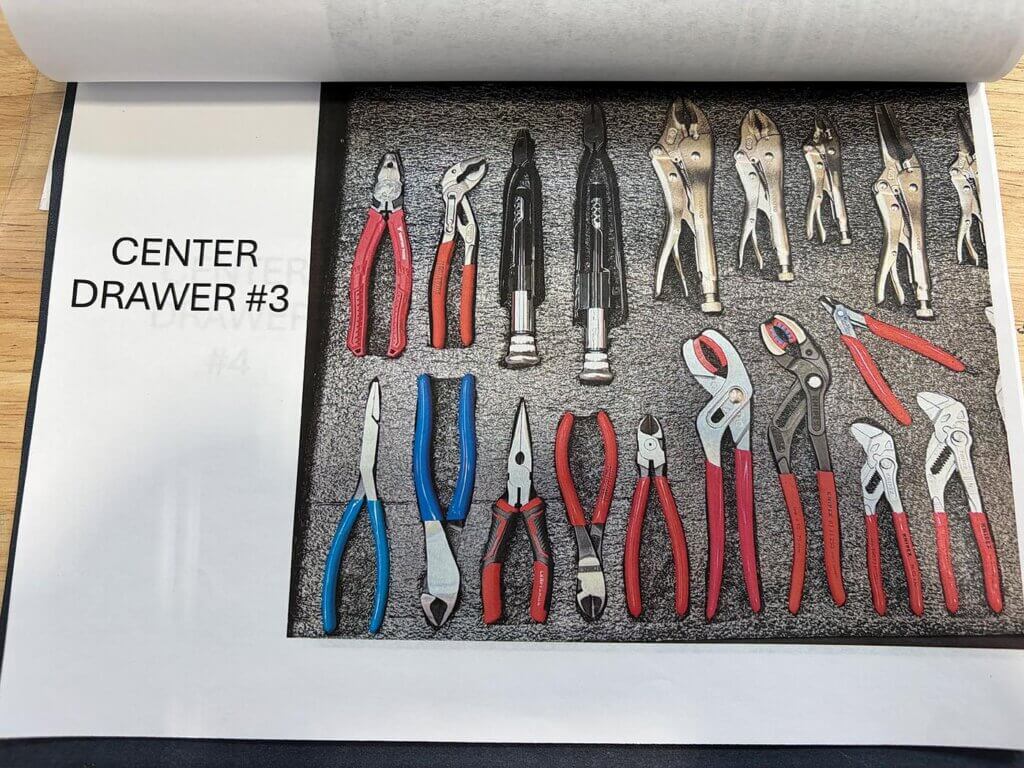
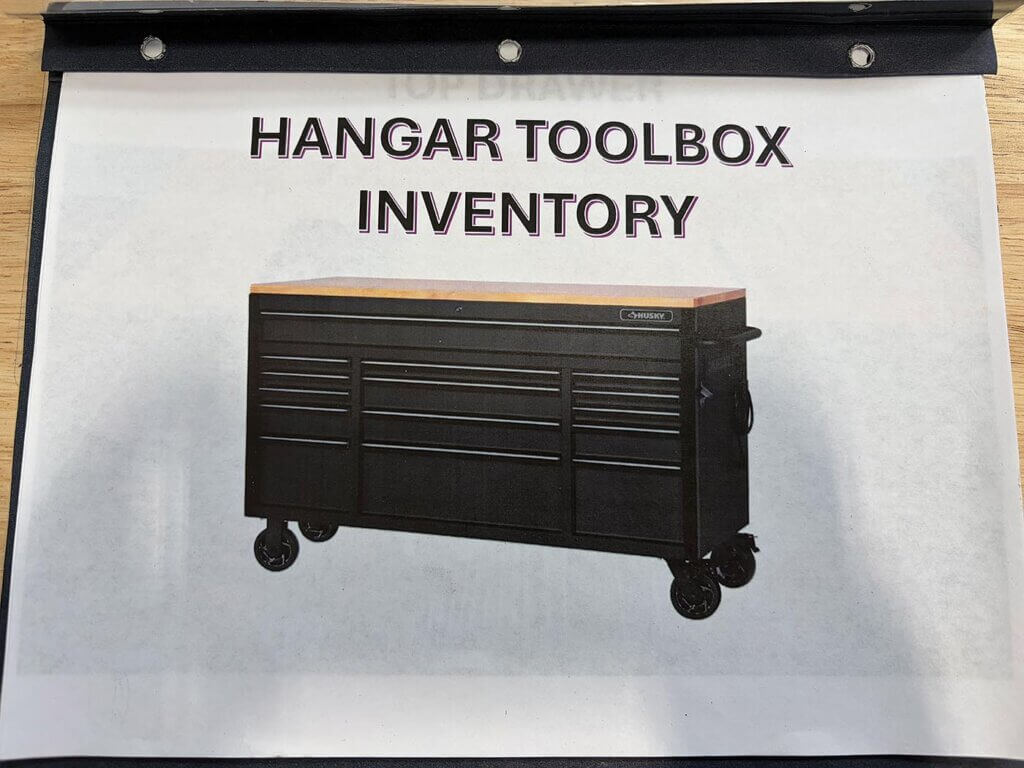
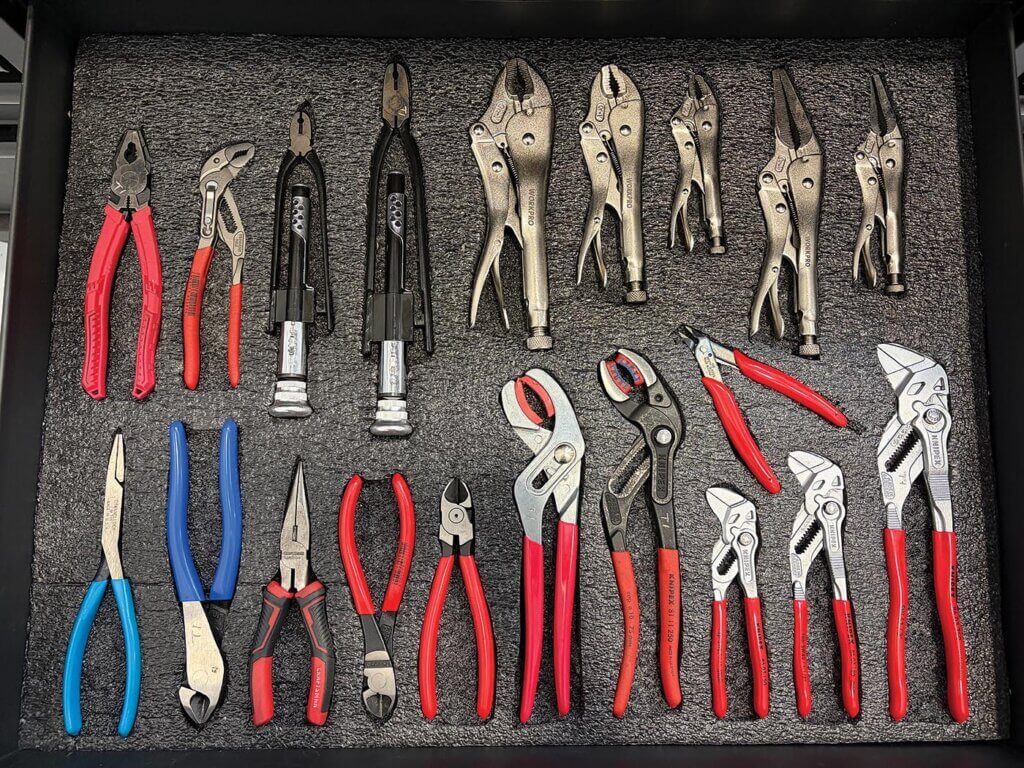
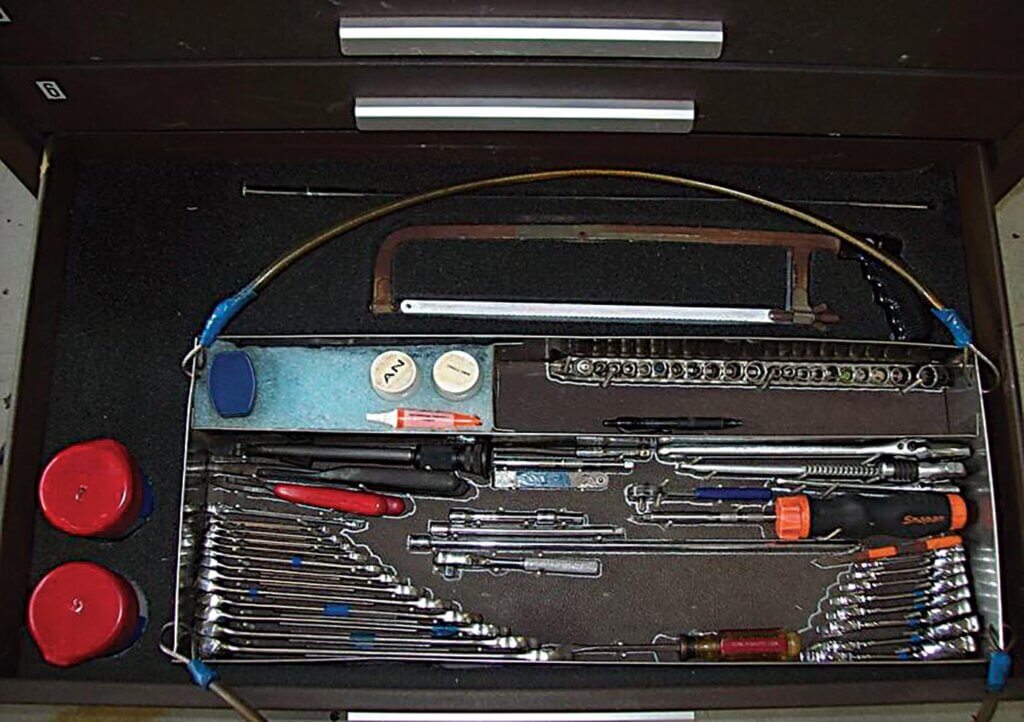
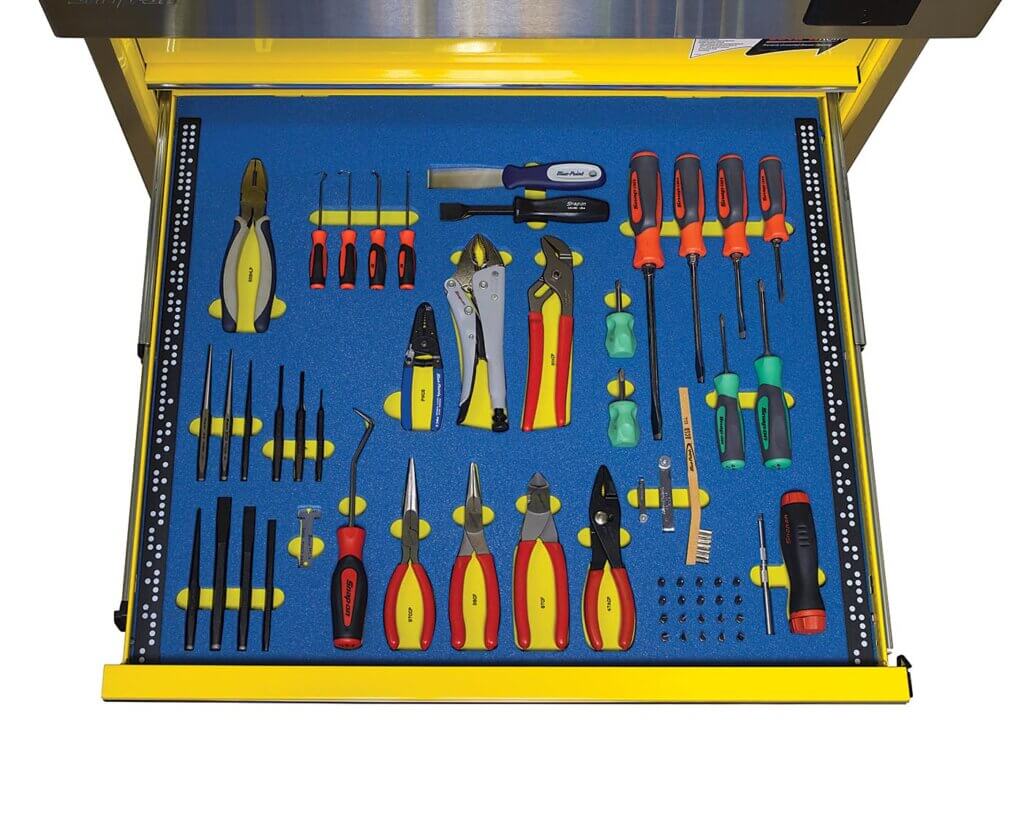
Each company toolbox has been “shadowed” with customized foam inserts featuring cutouts in the shape of every tool. Inventory is taken at the beginning of each shift, whenever a mechanic moves to another aircraft, and again at the end of the day.
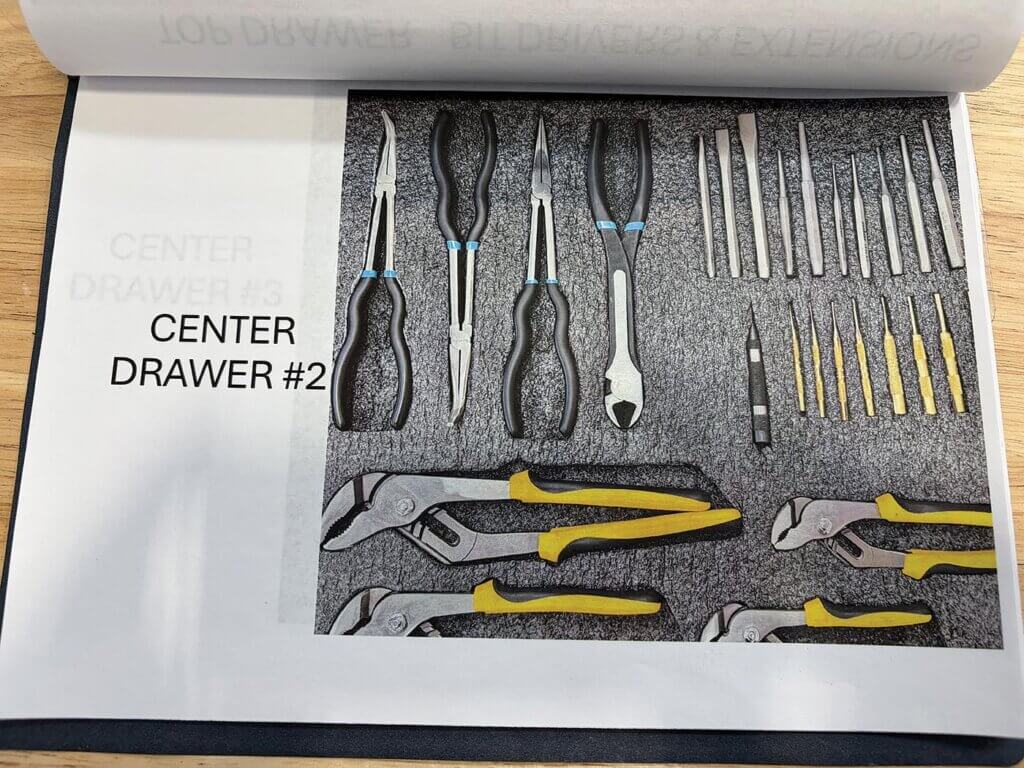
“The boxes are all numbered, and we’ve taken photos of all the drawer,” Sinclair said. “The photos are laminated and attached to the tool boxes for easy reference. We have separate boxes for specialty tools and they’re done the same way. Any missing items stand out.”
Over the course of his career, Sinclair has also found that a chit system — in which a mechanic uses a personalized ticket to check a tool out from the tool crib — is highly effective.
Sinclair said Aero Products’ safety management system (SMS) is key to combating complacency when it comes to tool control. The policies, procedures, and checklists it contains provide the backbone of a safe operation, and compliance is non-negotiable.
 Search for the missing
“If you’re in this industry for any amount of time, you will misplace a tool,” said Chris Matt, regional sales director for PHI Aviation MRO Services in Lafayette, Louisiana, a Part 145 helicopter repair station.
Over his 37-year career in aviation maintenance, Matt said he has personally come across four tools left inside aircraft. He has also seen five damage incidents caused by improper cleanup in the hangar and heard stories of rags being left in the wrong place.
“Thankfully, it is rare in our workplace,” he said. “But the key to tool control is to flag when a tool is missing so it can be recovered. The right policies allow you to notice and find it quickly.”
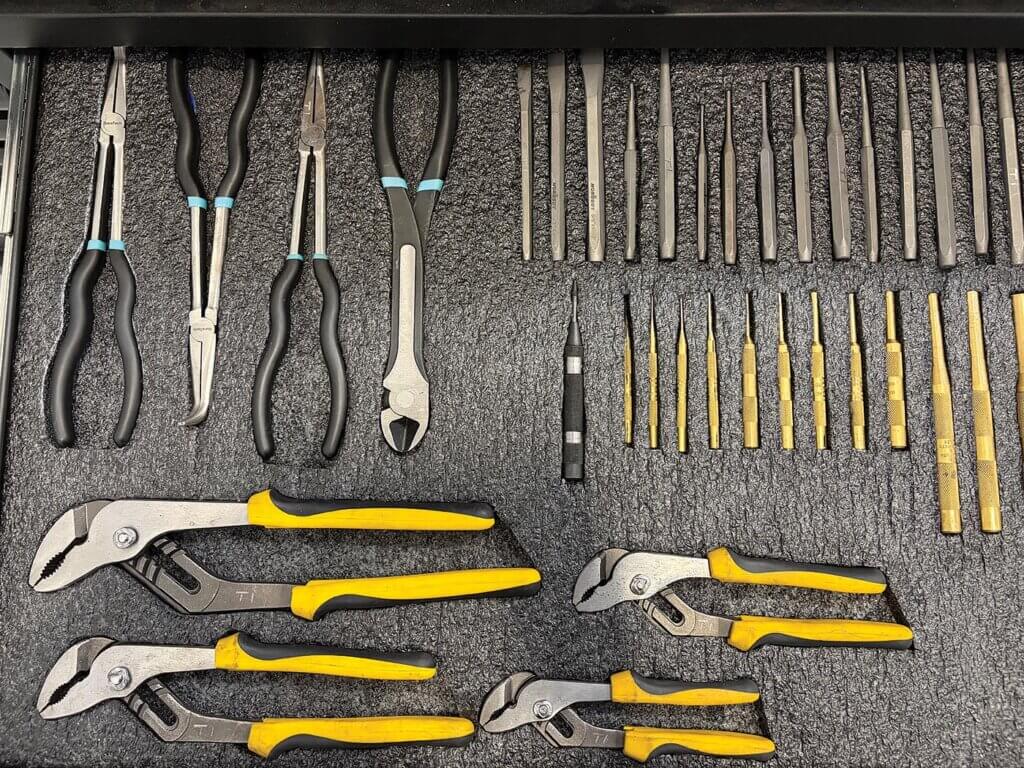
PHI performs a tool inventory at the start and end of each day, as well as whenever a toolbox is moved to another aircraft. If a tool is missing, a search begins immediately. The aircraft being worked on is not released until the tool is found.
Matt said tools have been recovered from a variety of places, including dumpsters. Still, PHI’s tool control procedures have enabled maintenance crews to identify and resolve problems quickly.
“Ideally, you want a way to identify what is missing as soon as possible because that increases your ability to find it. When you add time to a project, you add money, so the sooner you notice it missing, the less time it will take to resolve.”
FOD damage from misplaced tools is rare at PHI, largely because of the company’s countermeasures.
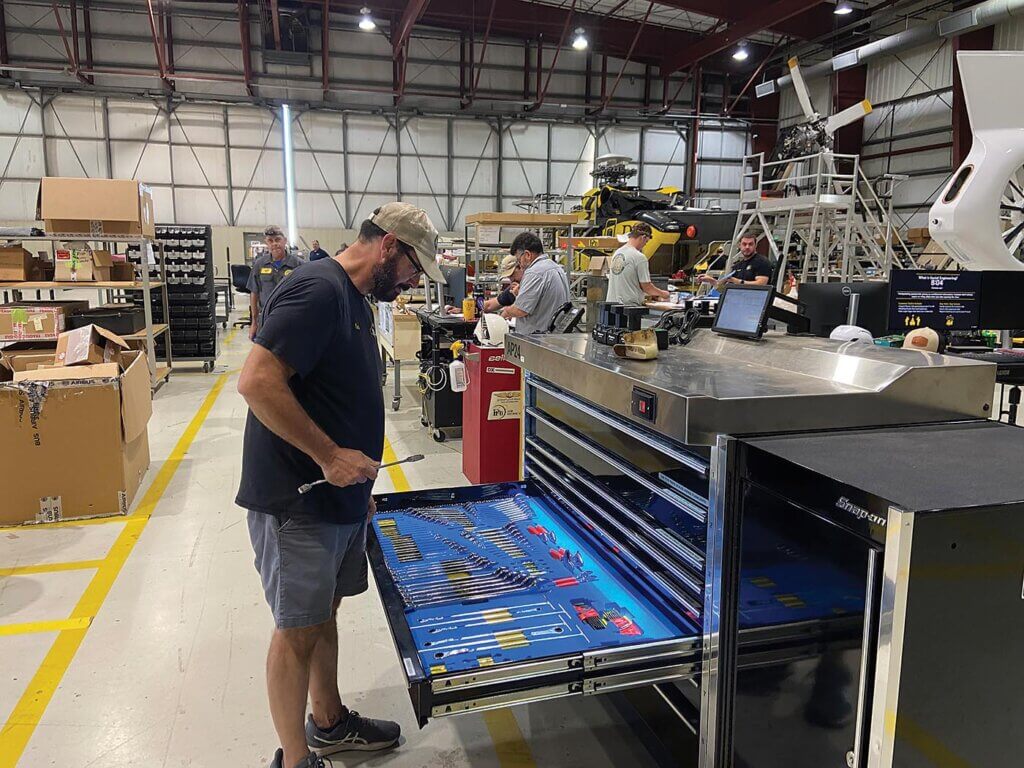
“We have stringent cleanup processes and procedures,” Matt said. “Crews are also trained to bring only the necessary tools to a job and to never place them on an aircraft.”
He said the industry has come a long way when it comes to tool control.
“When I was hired on, we mechanics owned our own tools. If I lost one, I had to replace it, so that was the drive to keep track of them. There was never a program in place. Basically, as the inspector came along behind you, they would check your work.”
He remembers shadowing his toolbox before 2001. A photo album on top of the toolbox served as a record of what belonged in each drawer.
In 2017, a PHI committee decided to adopt the Snap-on Level 5 Tool Control System. The company is still rolling it out across its maintenance, repair, and overhaul operations.
“Our [Snap-on] boxes are capable of supplying three to four technicians from one box,” Matt explained. “They are set up with customized tote trays to support the mechanic, whatever they are doing.
“These trays are stacked with the tools they need 99% of the time on the job. There are foam silhouettes in them and the box does a visual scan every time the drawer is opened and closed.”
Watching with a digital eyeFounded in 1920, Snap-on Incorporated has a long association with aviation tooling — from Charles Lindbergh’s legendary Spirit of St. Louis aircraft to today’s NASA and SpaceX spacecraft.
Andy Lobo, president of Snap-on Industrial, said the company has always recognized that tool control in an aviation environment is critical to ensuring flight safety.
“Today, tool control extends to industrial hygiene and robust process control, especially if you’re building an airplane,” Lobo pointed out. “If you know a tool has been used, you can infer a certain task has been accomplished. A torque wrench is a good example.”
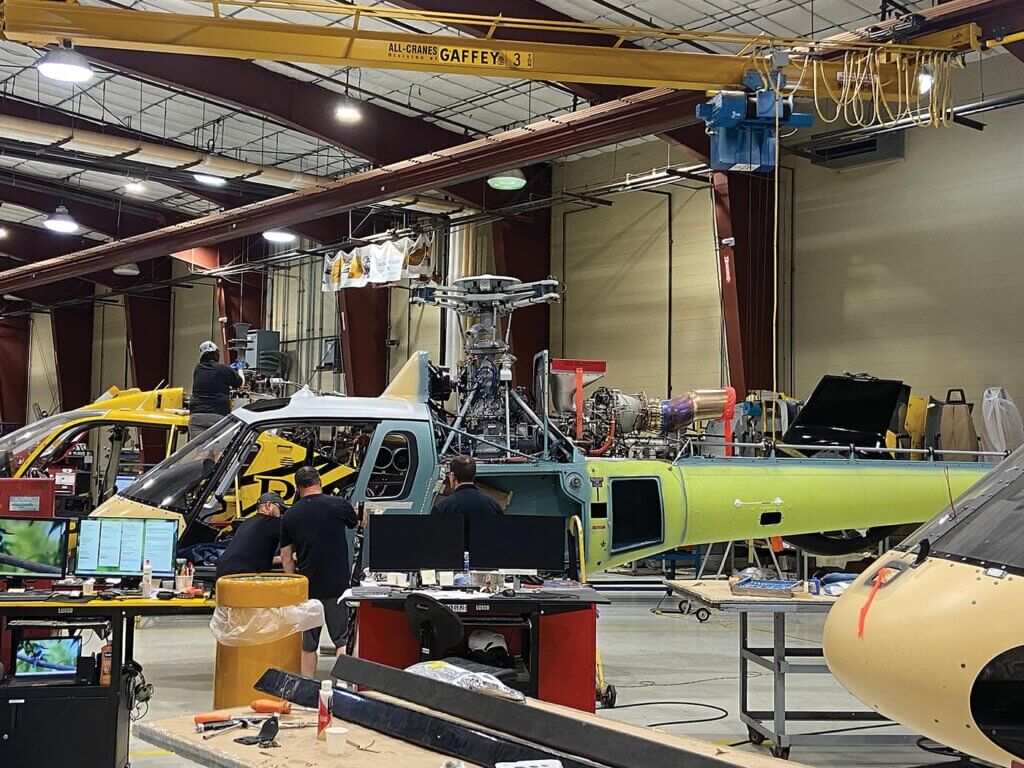 Brent Bundy Photo
He recounted the evolution of tool control, beginning with simple pen-and-paper systems used to record tools being checked in and out.
Next came shadow boards and foam cutouts in toolboxes, giving every tool a designated place.
“In Snap-on’s history, the next evolution was digitally tracking who accessed the box,” Lobo said. “Mechanics would use their employee badge to access the toolbox. The box kept a record of who accessed it, so if something went missing, the search time was shorter. However, logging access in and out of the box didn’t track a specific tool.”
RFID, or radio frequency identification, was the next step, using electromagnetic fields to wirelessly track tools.
“You swipe your badge to unlock the box and you remove tools and close the drawer,” Lobo explained. “The box will lock and send out radio frequency waves. Each tool has a tag and so it automates the inspection because RFID does the counting.”
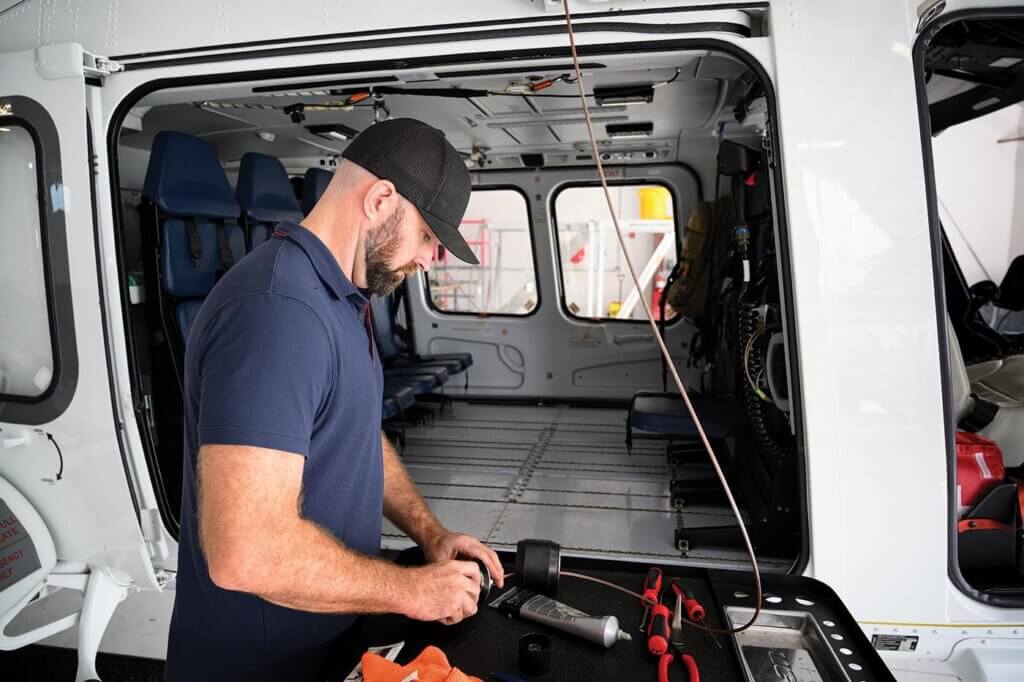
However, RFID tags do not necessarily fit on very small tools, although they work well on larger pieces of equipment.
“RFID can be passive, where you can beam energy to it, and then there is active, where the tag sends energy out. So, you could geolocate whatever it is in a fairly wide space — within a hangar or on a ramp.”
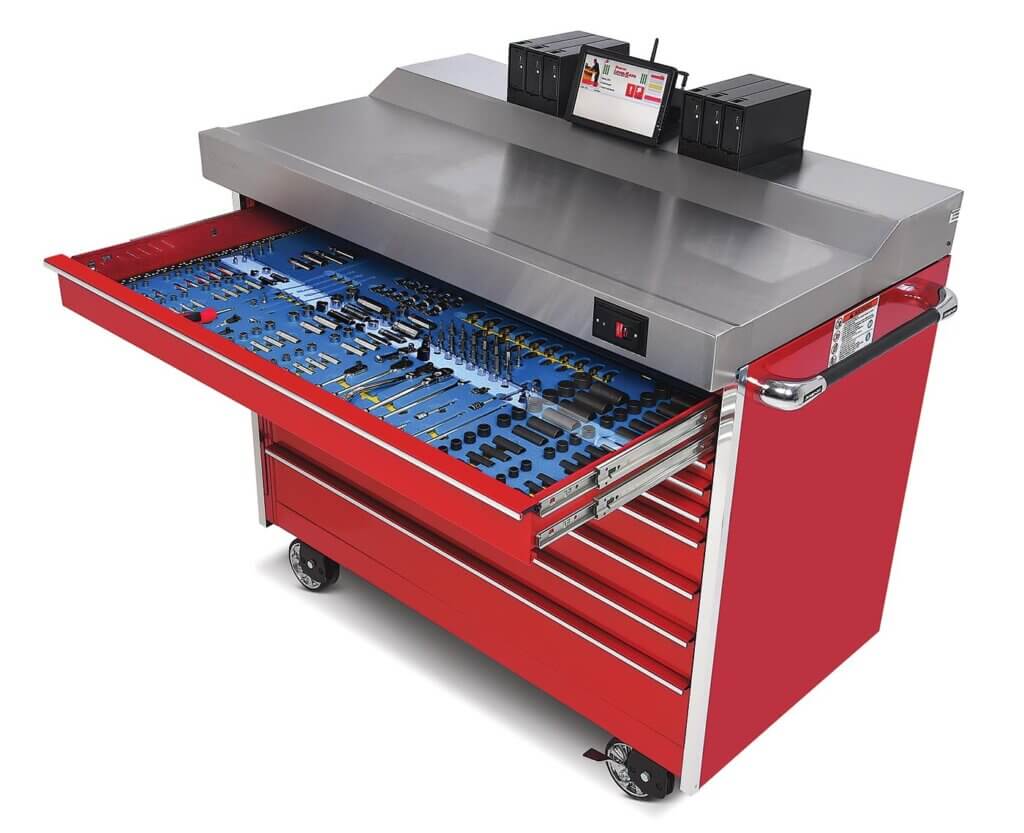
Lobo then described Snap-on’s current Automated Tool Control (ATC) Level 5 Tool Control System, the same one used by PHI Aviation. The system’s distinguishing feature is its optical scanning technology.
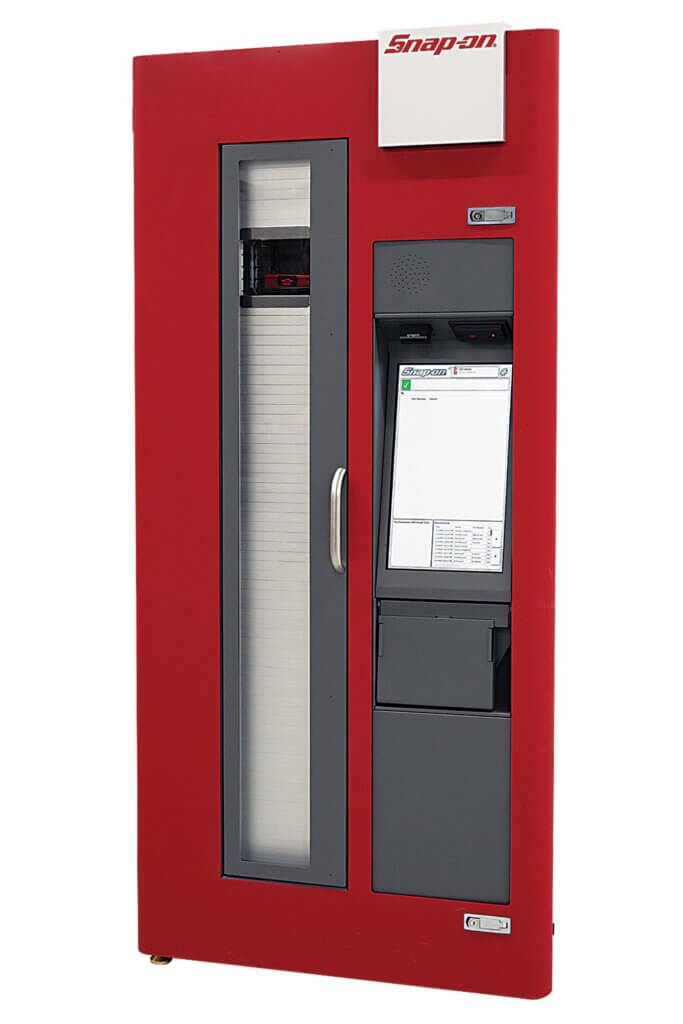
“Imagine you have the toolbox with the foam cutouts,” Lobo said. “You access the box with your ID. As the drawer is being pulled open, the box scans the contents. When you remove a tool and close the drawer, it does another scan to see what was taken.”
Snap-on pioneered this optical system, Lobo said. First introduced in 2010, about 9,000 toolboxes around the world now use the technology.
The company’s most popular configuration is the ATC Level 5 toolbox, a 54-inch wheeled unit with eight drawers. If the Level 5 system detects a missing item, it alerts supervisors through a visual notification (an andon light on top of the box flashes red, yellow, or green), email, or the Snap-on app.
“Within seconds, you can click on a couple of screens which wirelessly connects to the box,” Lobo said. “You can see a record of when that tool was accessed and by whom, including an archival image of the drawer. It’s very easy to narrow the search.”
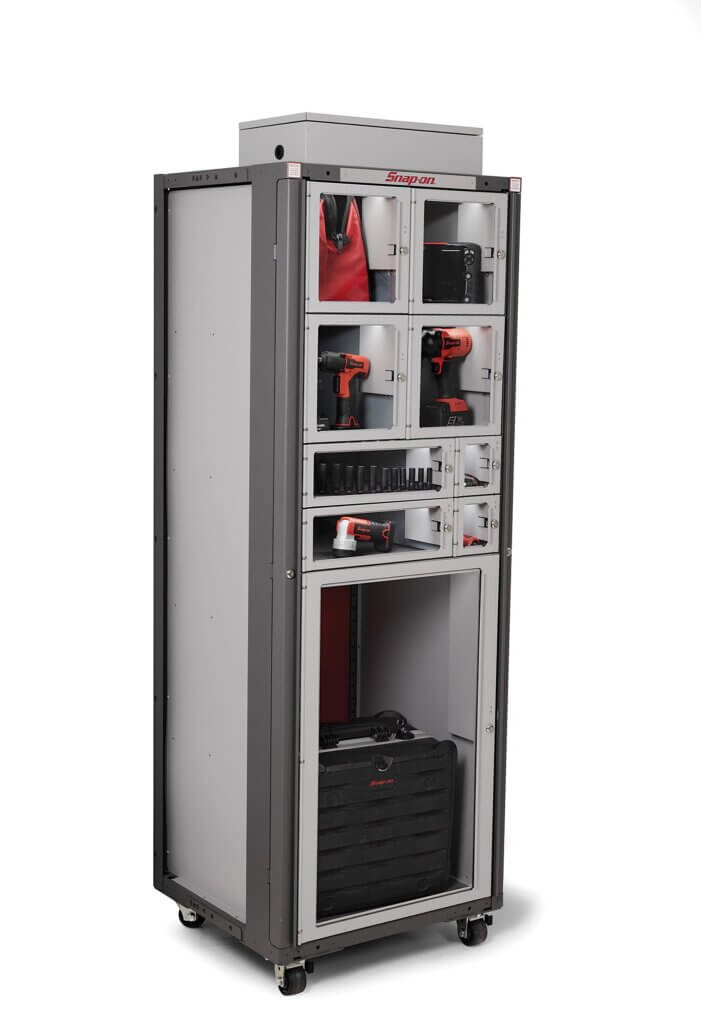
Snap-on developed its ATC Level 5 system — now in its fourth generation — to provide simple, compliant tool tracking centered around the technician accessing the box.
Lobo said Snap-on continues to expand its product portfolio. New additions include a FlexHub controlled cubby system for laptops and other equipment, as well as the ATC Vortex, an industrial vending machine roughly the size of a refrigerator.
“Our system can track broken tools, and torque wrenches can be tracked for periods of validity,” Lobo concluded. “A good tool control system ensures safety and makes sure the critical assets necessary to do the job are available and in the right condition. You can check the mission capable status of your tools and manage your organization, so you’re always properly equipped.”
Collectively, Sinclair, Matt, and Lobo emphasized that effective tool control depends on implementing a robust system and following it consistently. Whether using simple foam shadow boards or sophisticated optical scanning, they said maintenance technicians, supervisors, and company leaders all play a role in ensuring tools are controlled and tracked.
They also stressed that human factors, including fatigue, complacency, and time pressure, can contribute to maintenance-related FOD incidents. Reducing those risks requires consistent processes, accountability, and a shared commitment to aviation safety
| # | Наименование новости | Тональность | Информативность | Дата публикации |
|---|---|---|---|---|
| 1 | Mission over maintenance: Choosing the right helicopter for the job | 0 | 5.75 | 19-08-2026 |
| 2 | Vertical MRO 2026: New workshops, expert speakers and career development for maintainers | 0 | 9.42 | 11-08-2026 |
| 3 | Q&A: Keith Moreland, vice president of Rotorcraft Services Group Aviation | 0 | 5.59 | 27-08-2026 |
| 4 | PAC International: Rebuilt for mission | 0 | 8.44 | 26-08-2026 |
| 5 | How air medical operators are building the next generation of talent | 0 | 6.75 | 23-09-2026 |
| 6 | How the Flying Bulls keep history aloft | 0 | 8.03 | 20-08-2026 |
| 7 | Unleashing the Super Puma | 0 | 7.3 | 17-08-2026 |
| 8 | Pilots Who Ask Why: When Systems Fail | 0 | 9.96 | 28-08-2026 |
| 9 | Blades of Valor Road Tour: Where the mission happens | 0 | 6.37 | 18-08-2026 |
| 10 | A CH-47 Chinook pilot recalls final days in Kabul | 0 | 6.03 | 01-09-2026 |