Просмотр новости
Найдите то, что Вас интересует
 Спутники
 РН
РН SpaceX
 Роскосмос
 NASA
NASA
СпутникиРНSpaceXРоскосмосNASAThe Spanish society of ophthalmology has called on specialists who treat cases of macular degeneration to take part in a national study on the impact of the astronomical event
Seven people, including one child, have attended A&E departments in the province of Malaga since the eclipse. None of them required hospitalisation nor were ... their cases serious.
Andalucía's health service has not registered an "unusual increase in activity". The regional government (Junta), however, cannot rule out an upcoming trickle of consultations linked to Wednesday's major astronomical event.
The symptoms of maculopathy or retinopathy (which is the most serious damage that can result from exposure to sunlight without protective glasses) are not immediate. They may take days or even weeks to develop.
Related story
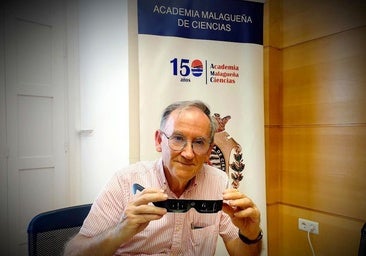
Some private hospitals SUR had contacted reported on Thursday an "increase in ophthalmology consultations", but "no significant medical conditions".
The network of Andalusian hospitals has so far recorded around 44 consultations as a result of the eclipse: four in Almeria, two in Cadiz, one in Cordoba, 14 in Granada, one in Huelva, seven in Jaén, seven in Malaga and eight in Seville. None of these cases were serious.
Nationwide, more than 300 people have sought treatment for eye-related issues following Wednesday's total solar eclipse, according to data from the health departments of 12 regions (five have not reported).
In total, health and emergency services have carried out around 400 interventions for dizziness, falls, fainting and dehydration.
The Spanish society of ophthalmology anticipates an increase in consultations and visits to A&E, not only immediately after the eclipse, but also in the days that follow.
National case registerSpanish ophtamologists have set up a national case registry to conduct a scientific study.
"With the solar eclipse on 12 August 2026, Spain finds itself in an exceptional situation due to its privileged geographical position for observing this phenomenon. This offers a unique opportunity to carry out a national study from within our country to determine its potential ophthalmological impact. For this reason, a group of members of the Spanish society of ophthalmology has launched a national multicentre initiative to identify and collect, in a standardised manner, any possible cases of macular pathology associated with observing the eclipse diagnosed in Spain," they said.
The association is asking for the cooperation of ophthalmology experts who, over the coming days or weeks, will be treating patients. "It is particularly important to retain the images obtained (...) and record the circumstances of exposure, the use of photosensitising drugs, the protection used, the symptoms and the clinical course."
"Practitioners who contribute to the registry by providing evaluable cases and the necessary clinical information will be listed as authors in the scientific publications resulting from the study," the Spanish society of ophtamologists stated.
Similarly, the UK published some of the incidents reported in certain hospitals following the 1999 eclipse. A study collated data from the country's "leading ophthalmology centres" and confirmed 20 cases of retinopathy, "lower than feared".
RisksThe main risk of viewing an eclipse without approved protective glasses is solar maculopathy or solar retinopathy: a potentially irreversible retinal injury caused by short-wavelength phototoxic radiation.
The most dangerous aspect of this phenomenon is that it is painless: the retina lacks pain receptors, so the damage occurs without the person feeling any discomfort at the time.
This absence of pain encourages inadvertent and prolonged overexposure. Once damage to the outer layers of the retina has occurred, the deterioration in vision is sometimes irreversible.
Warning signs that should prompt one to see an ophthalmologist without delay include blurred vision or reduced central vision, the appearance of a dark spot or blind spot in the centre of the visual field (scotoma), distortion of lines or shapes, difficulty reading or distinguishing small details and changes in colour perception.