Просмотр новости
Найдите то, что Вас интересует
 Спутники
 РН
РН SpaceX
 Роскосмос
 NASA
NASA
СпутникиРНSpaceXРоскосмосNASAFlorida State University’s International Programs offers study abroad opportunities in locations across the world, including study centers in London, England; […]
The post FSU 175: Around the world with International Programs appeared first on Florida State University News.
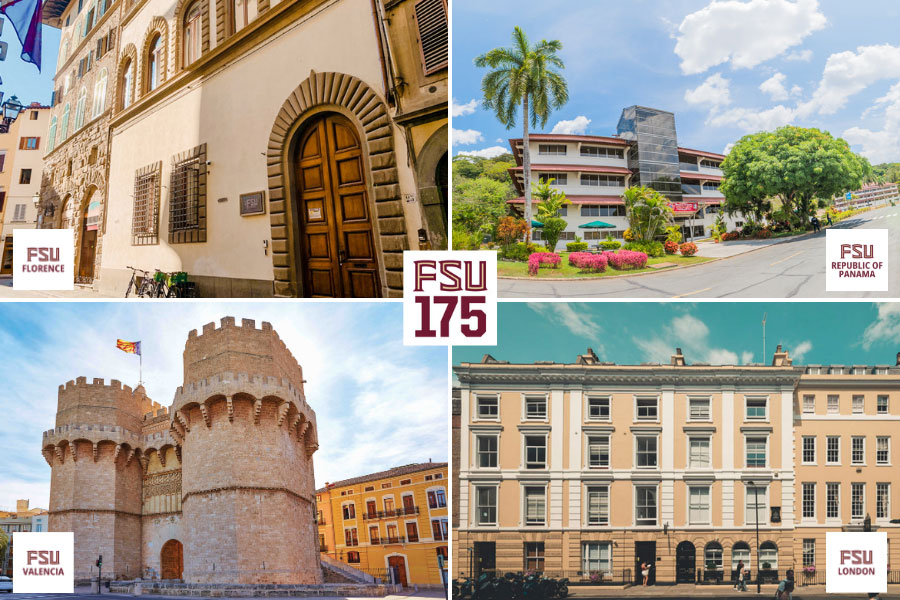
Florida State University’s International Programs offers study abroad opportunities in locations across the world, including study centers in London, England; Florence, Italy; Valencia, Spain, a branch campus in Panama City, Republic of Panama as well as faculty-led programs in over 10 other locations.
FSU is ranked No. 1 among public universities and No. 4 overall for long-term study abroad enrollments in the Institute for International Education’s Open Doors 2025 Report. FSU also ranked No. 10 among public universities and No. 12 overall for number of students studying abroad, with 2,702 students participating in programs in the 2023-2024 academic year.
Through their First Year Abroad (FYA) and First Semester Abroad (FSA) programs, incoming first-year students at FSU have the opportunity to spend either their first semester or first year of college abroad at FSU’s study centers in Florence, London, Valencia or its branch campus in Panama City, Republic of Panama. The FYA and FSA programs celebrated nearly 3,000 program alumni during their 20th anniversary in the fall of 2025.
“FSU has a long history of looking beyond its borders and creating opportunities for students to experience the world firsthand,” said Louisa Blenman, executive director of International Programs. “We look forward to continuing to provide traditional study abroad programs while also creating new opportunities for students and faculty to showcase the strengths of the university around the globe.”
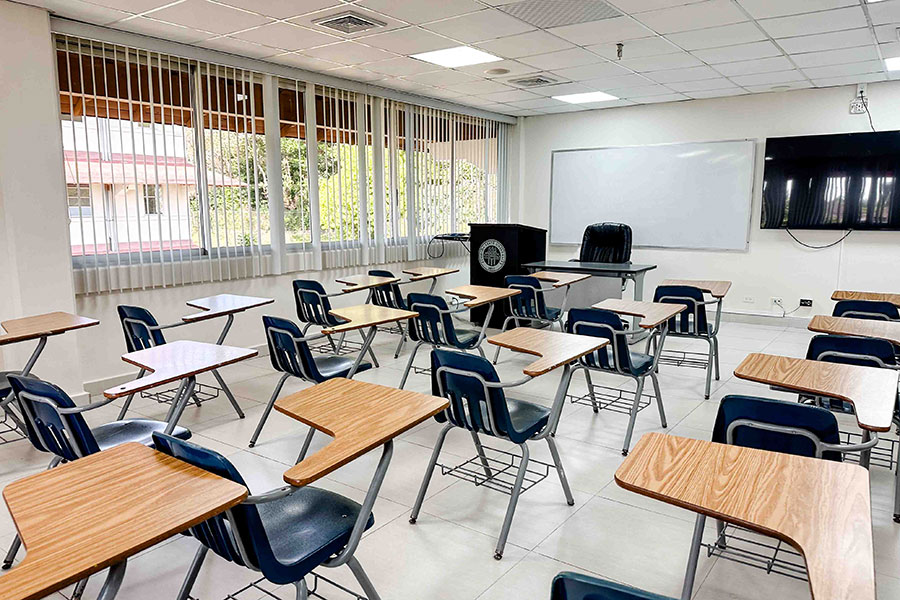
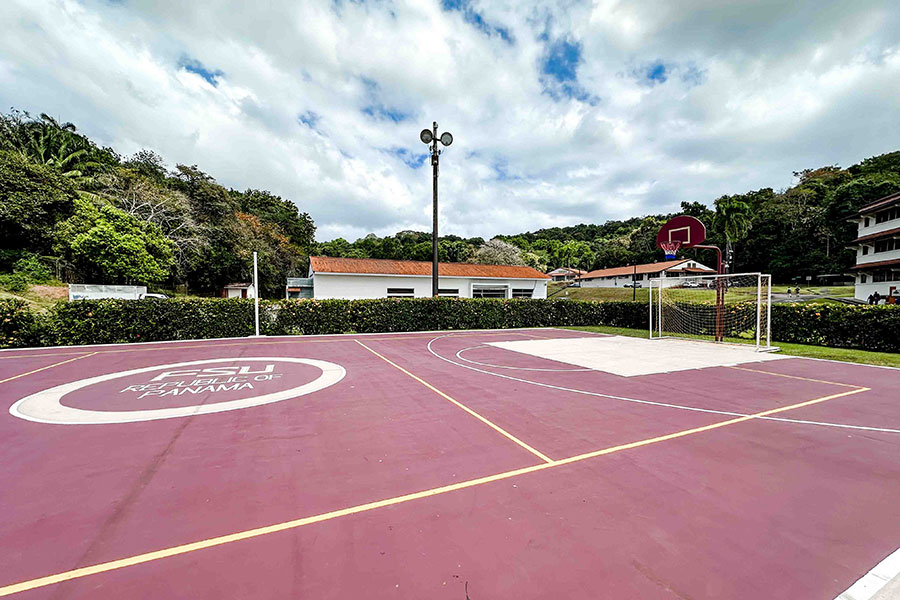
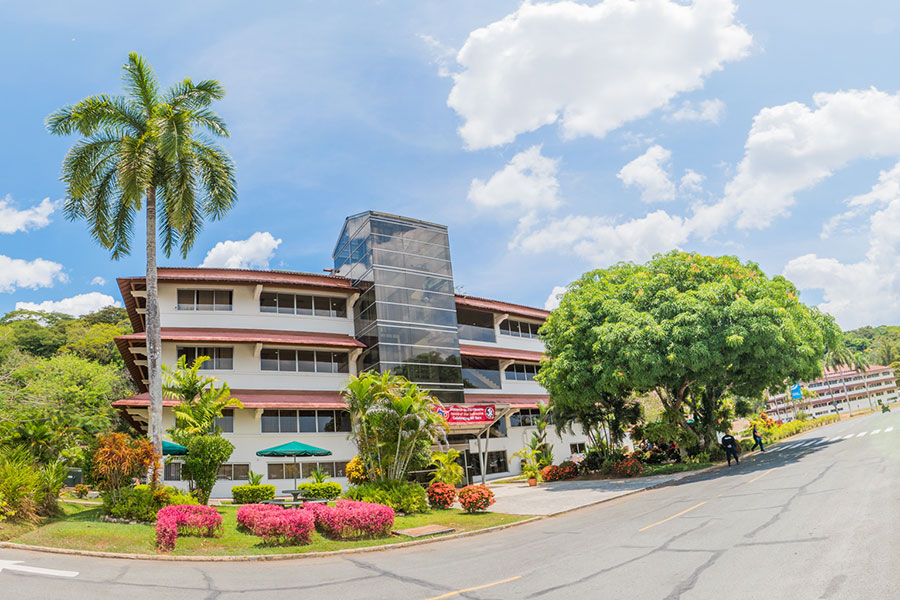 The FSU Panama regional branch campus located in Panama City, Republic of Panama. (International Programs)
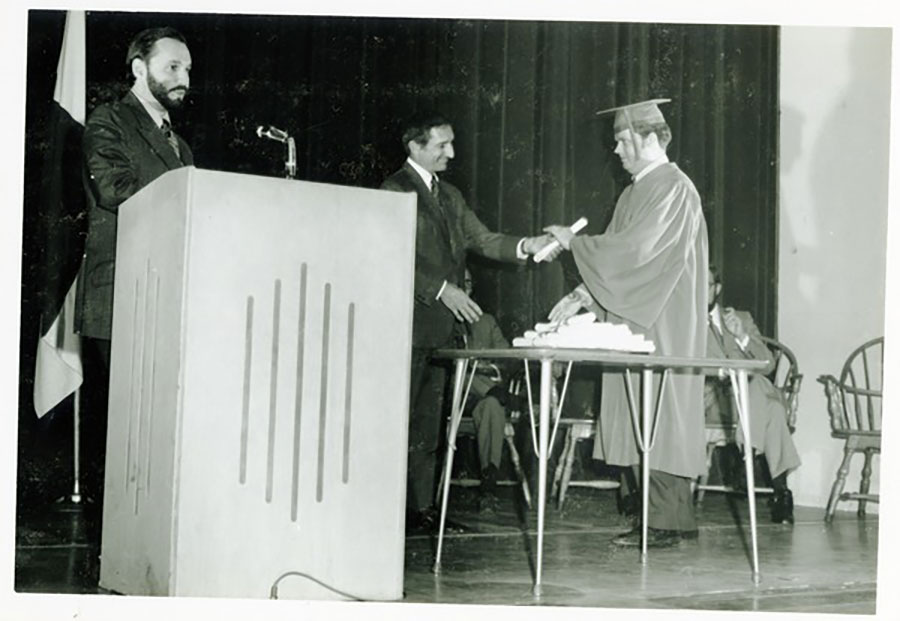
FSU established a presence in the Republic of Panama in 1957 through a contract with the U.S. Department of Defense to provide undergraduate education to military personnel and their families stationed in the Panama Canal Zone. Initially, the program offered a limited selection of courses, with students completing their degrees in Tallahassee. Early operations were based at Fort Clayton before relocating to Albrook Air Force Station in 1965.
In 1967, the Panama Canal Zone Branch became a degree-granting campus, offering majors in fields such as English, international affairs and social sciences. That same year, the program opened enrollment to non-U.S. students, fostering greater connection between Panamanians and U.S. citizens.
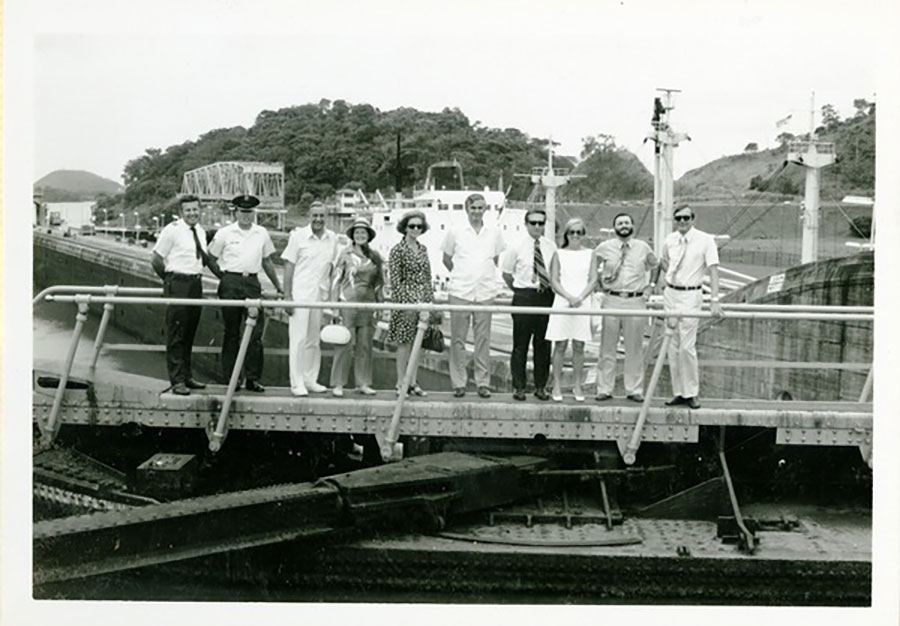
In 1977, the U.S. signed the Torrijos-Carter Treaties to give the Republic of Panama control of the Canal after 1999. On Dec. 31, 1999, the U.S. relinquished control of the Panama Canal and all areas in the former Canal Zone. When the U.S. reverted control of the Panama Canal to the Republic of Panama, FSU decided to maintain operations without the contract.
In 2001, the university launched its “2+2” scholarship program, allowing students from Latin America and the Caribbean to begin their studies at FSU Panama and complete their degrees in Tallahassee at the rate of in-state tuition.
The transfer of U.S. military land helped transform the former U.S. Army base Fort Clayton into the City of Knowledge, a hub for research, education and innovation. As a founding member, FSU Panama moved to this site in 2009.
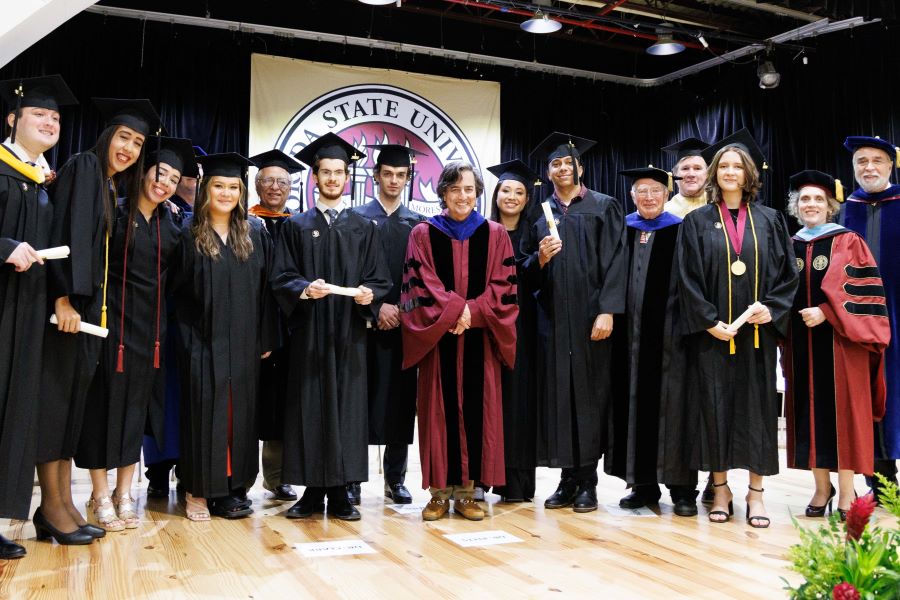
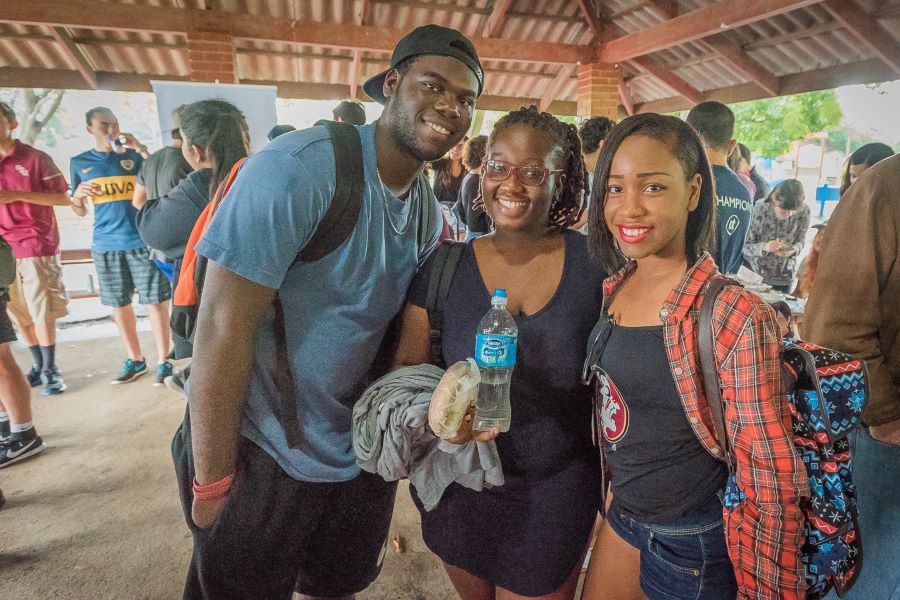
Today, FSU Panama serves around 500 students from more than 30 countries, offering undergraduate degree programs and a master’s degree program in a globally connected academic environment.
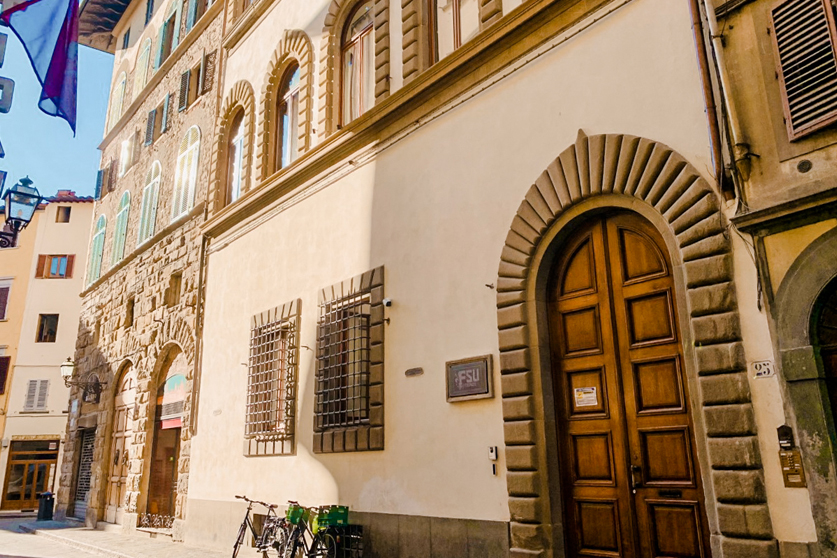 The FSU Florence Study Center. (International Programs)
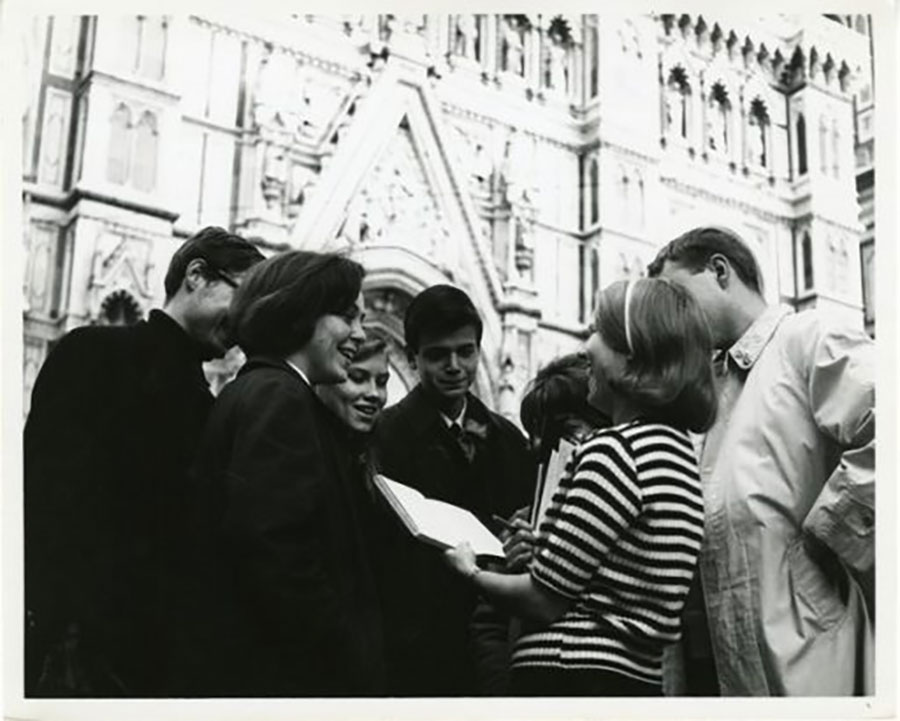
While accompanying the FSU Flying High Circus on tour throughout Europe in 1964, Roscoe “Ross” Oglesby, Dean of Students at the time, envisioned a Florida State campus in Italy while visiting the Ancient Roman Theater in Fiesole, just outside Florence.
That vision became reality two years later. In 1966, Eugene Tanzy, an FSU English professor and the program’s first director, established the Hotel Capri as the university’s first home in Florence, welcoming the inaugural cohort of students and faculty.
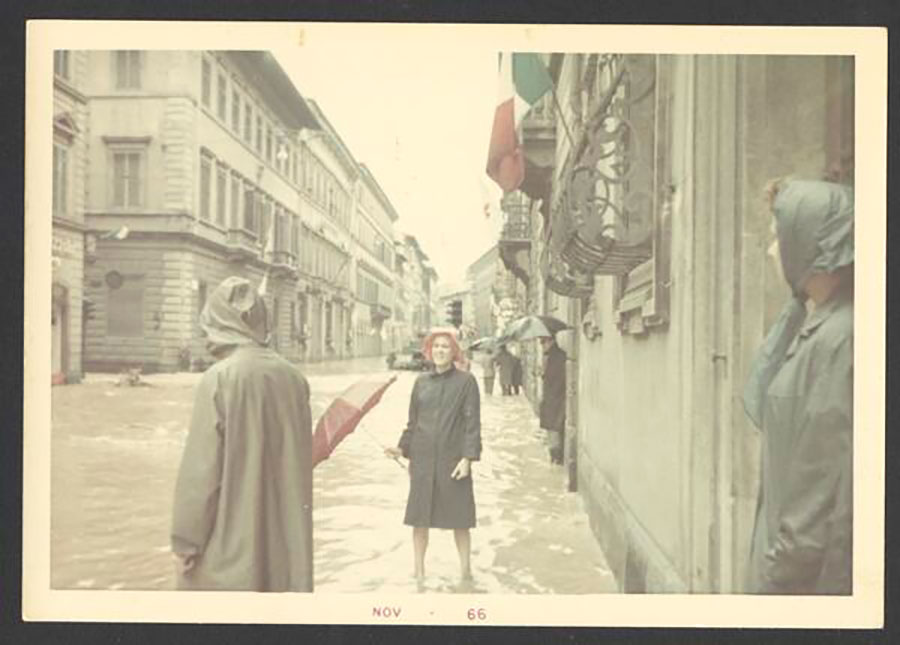
Just weeks after their arrival, disaster struck. In November 1966, the Arno River flooded Florence with up to 22 feet of water, devastating the historic city. Rather than disbanding, all 120 FSU students and faculty chose to stay, assisting in recovery efforts and earning the enduring nickname “Mud Angels.”
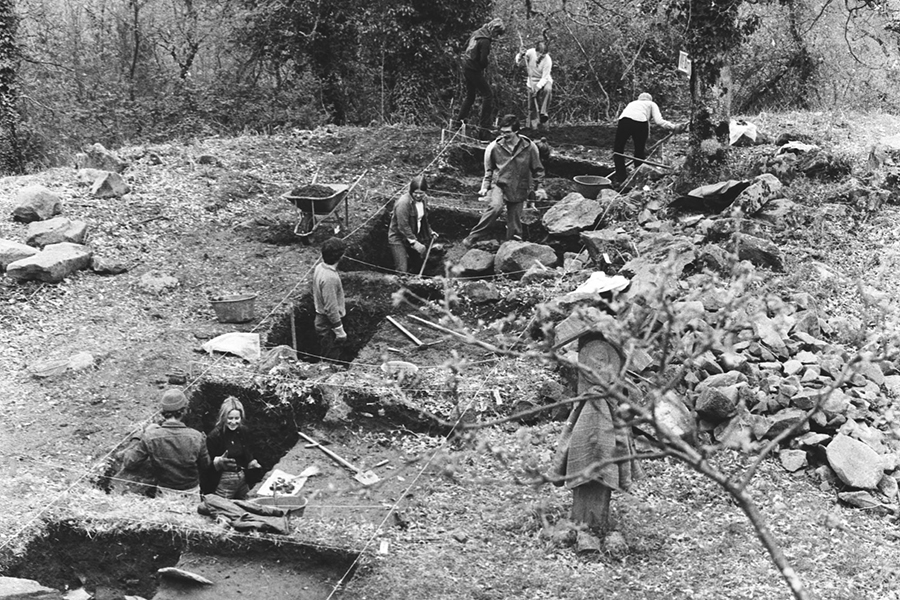
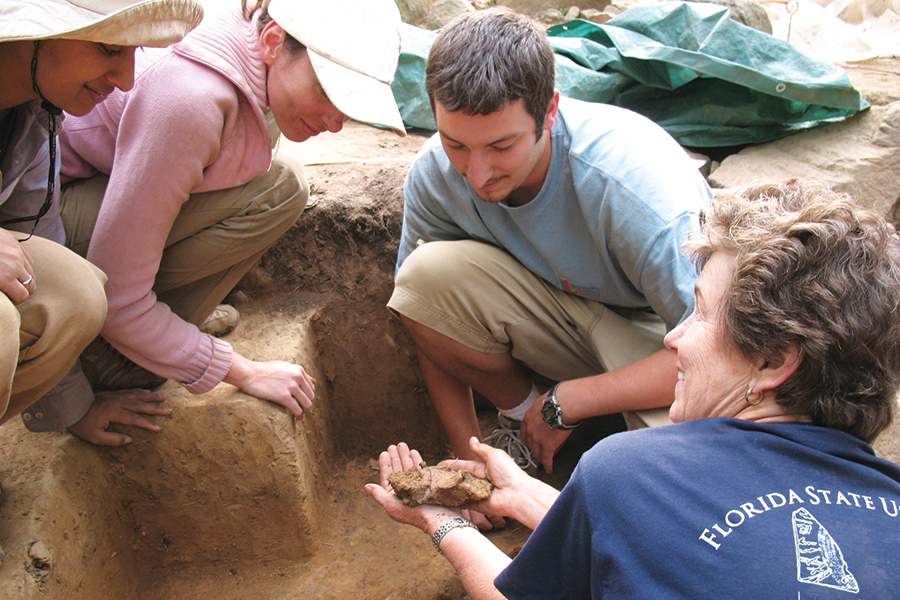
In 1973, FSU began excavations at Cetamura del Chianti, an archaeological site once settled by Etruscans, Romans and Italians of the Middle Ages. Originally part of the FSU Florence curriculum, the Cetamura Field School was established in 1978 and is now known as the Archaeology in Tuscany program. Decades of research and excavations culminated in the 2023 opening of the Civic Museum at the Origins of Chianti, featuring archaeological discoveries from 50 years of excavations at Cetamura by FSU.
As it continued to grow, FSU Florence relocated in 1981 to the Alessandri Palace in the city’s historic center.
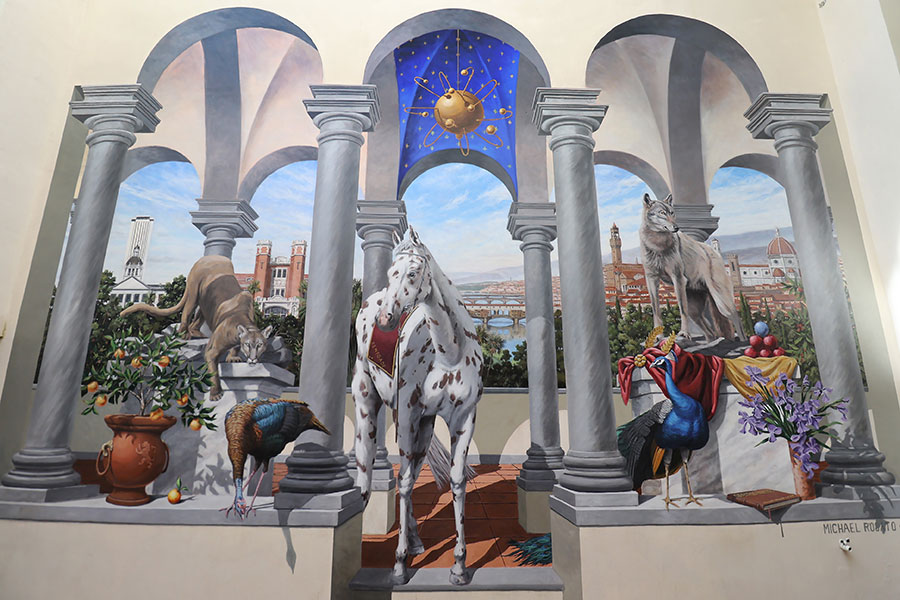
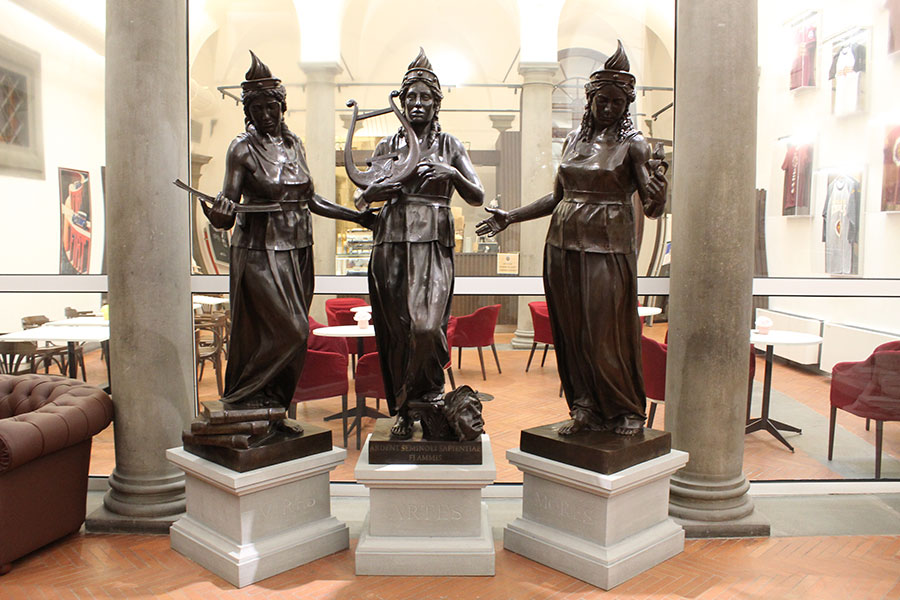
In 2021 FSU Florence moved into its permanent home at the 37,000 square foot Palazzo Bagnesi Falconeri, a restored Renaissance palace. Today, the study center serves as a hub for experiential learning to more than 600 students annually, featuring classrooms, labs, student lounges, a café, and a Tuscan-style kitchen, all just steps away from famous sites like the Ponte Vecchio, Uffizi Gallery and Piazza della Signoria.
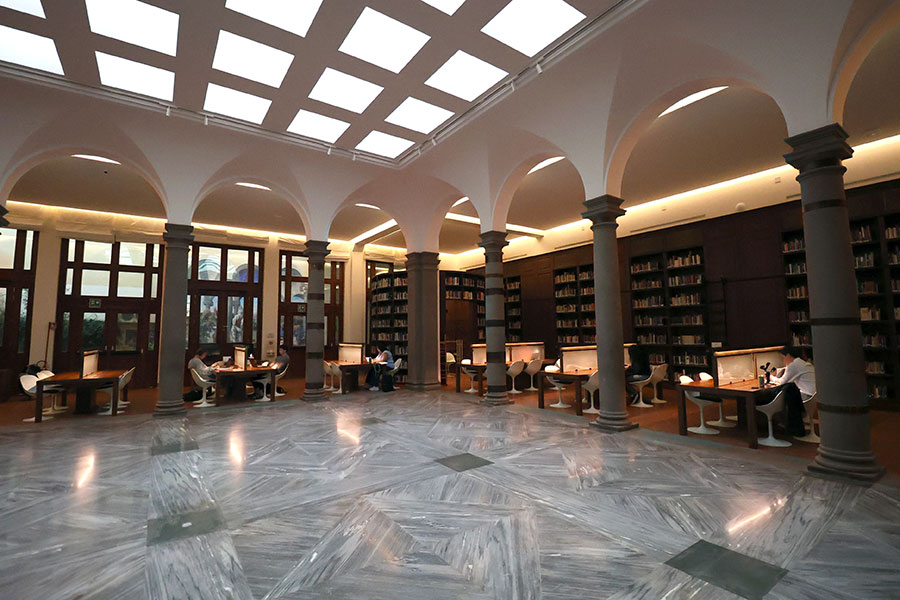
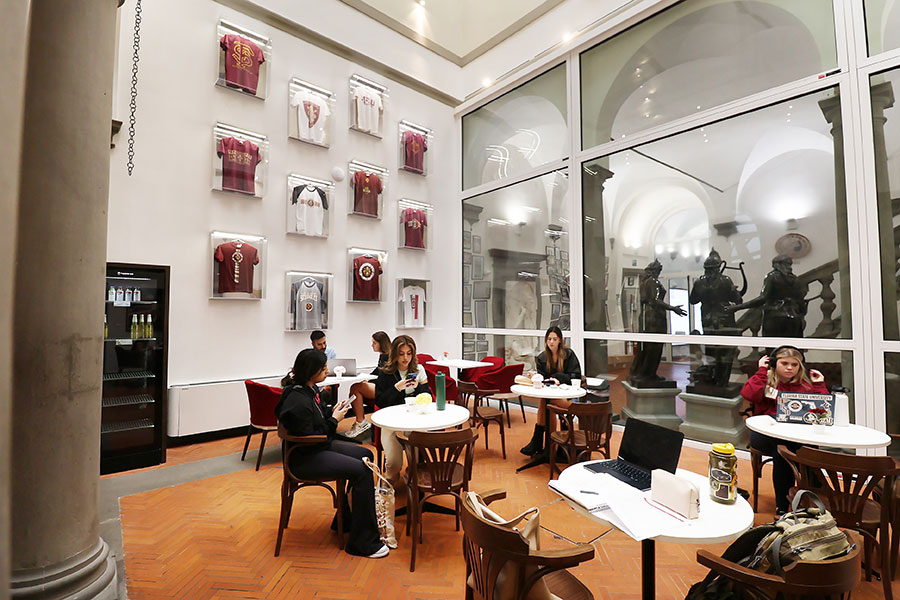
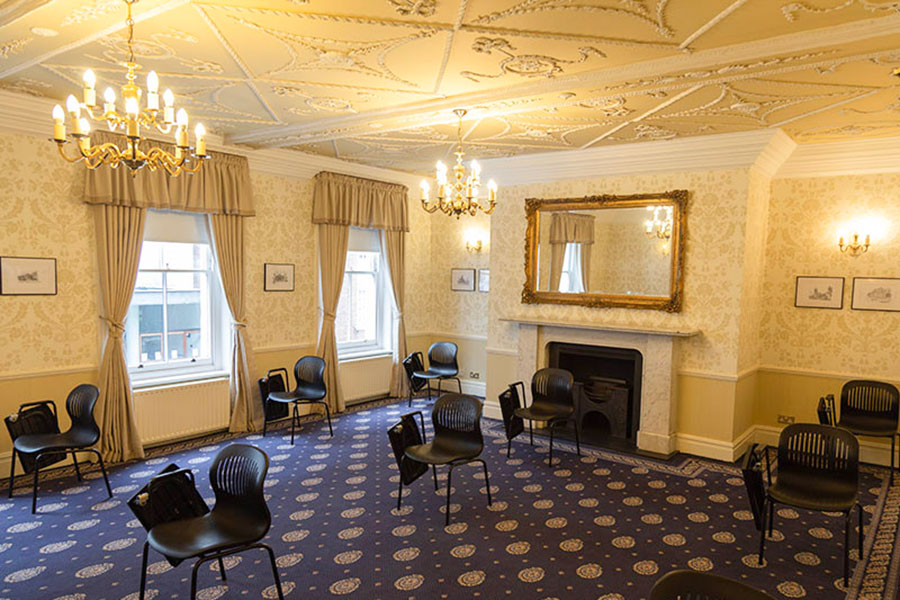
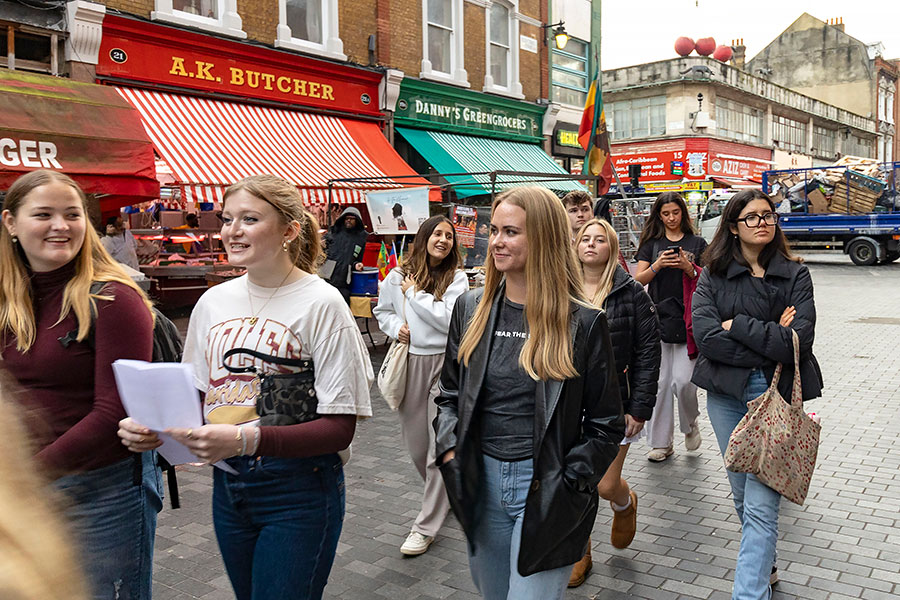
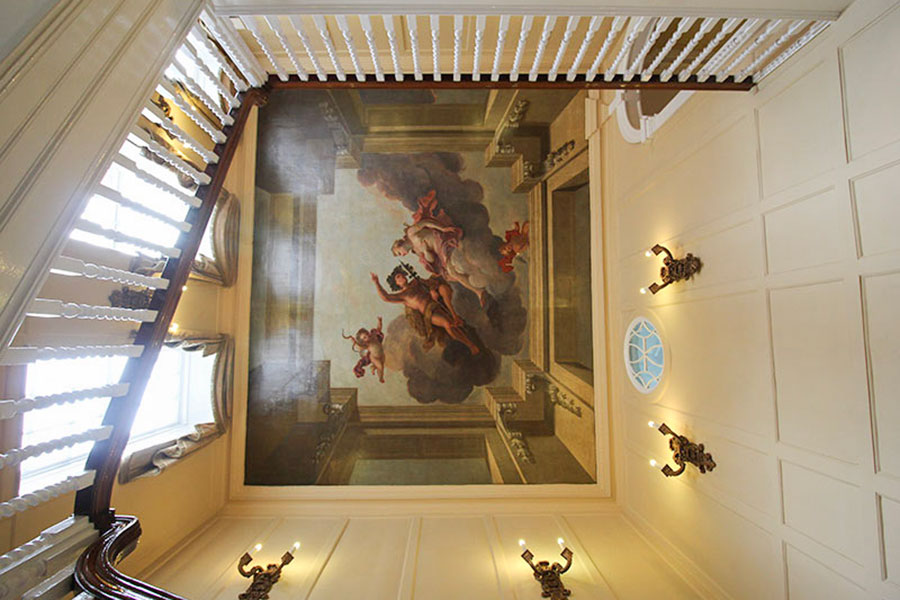
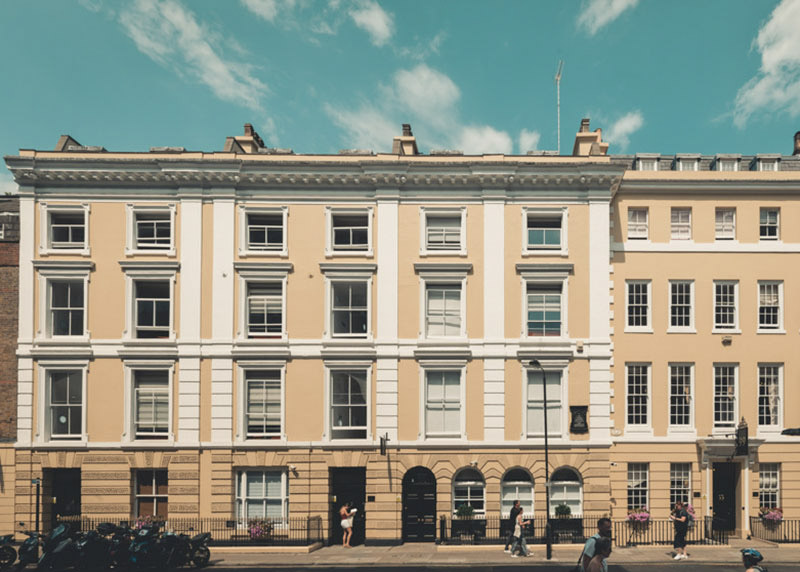 The FSU London Study Centre. (International Programs)
FSU students arrived in London in 1971 under the leadership of William Brueckheimer, chair of the Geography Department, for a six-month study abroad program based in the Monarch Hotel in the Earl’s Court district.
The program expanded throughout the early 1980s, relocating to the Queensbury Hotel in South Kensington and shifting to a four-month program offered twice a year. During this time, Charles Wellborn, a professor in the Department of Religion, was appointed as the first permanent director. FSU also began incorporating local London faculty alongside professors from Tallahassee, strengthening the program’s academic depth and connection to the city.
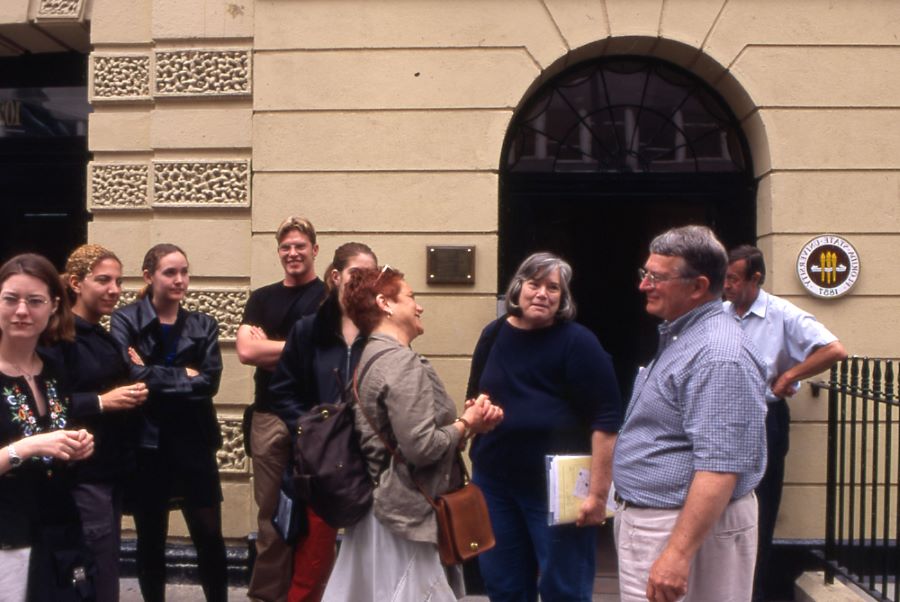
As enrollment grew, the need for a permanent home became clear. In 1992, FSU purchased property on Great Russell Street. Located in the Bloomsbury district, an area famous for its cultural and educational history, the four 17th-century townhouses were renovated and refurbished into a suite of offices, classrooms and student accommodations. The first students took up residence in 1993.
In 1997, following further purchases and subsequent remodeling, the FSU London Study Centre expanded into the neighboring buildings, creating a cohesive academic and residential complex. In 2007, Theatre Academy London was established to offer students the opportunity to study alongside leading professionals in one of the world’s most renowned theatre communities.
Today, FSU London offers classrooms, a lecture theatre, library, computer labs and student gathering spaces, all within blocks from some of London’s most famous landmarks like the British Museum, Trafalgar Square and the West End Theatre District. In 2021, FSU London celebrated its Golden Jubilee with a series of online events throughout the year.
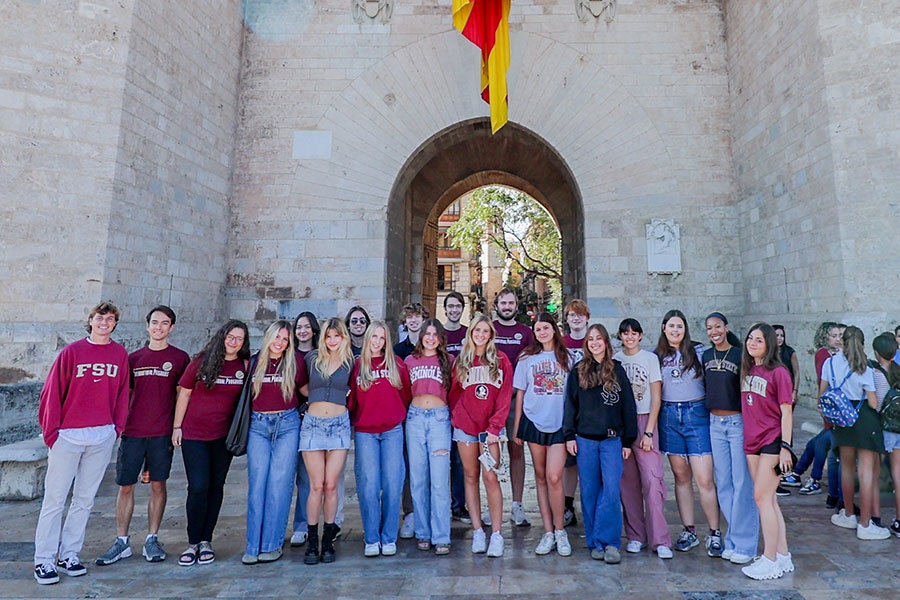
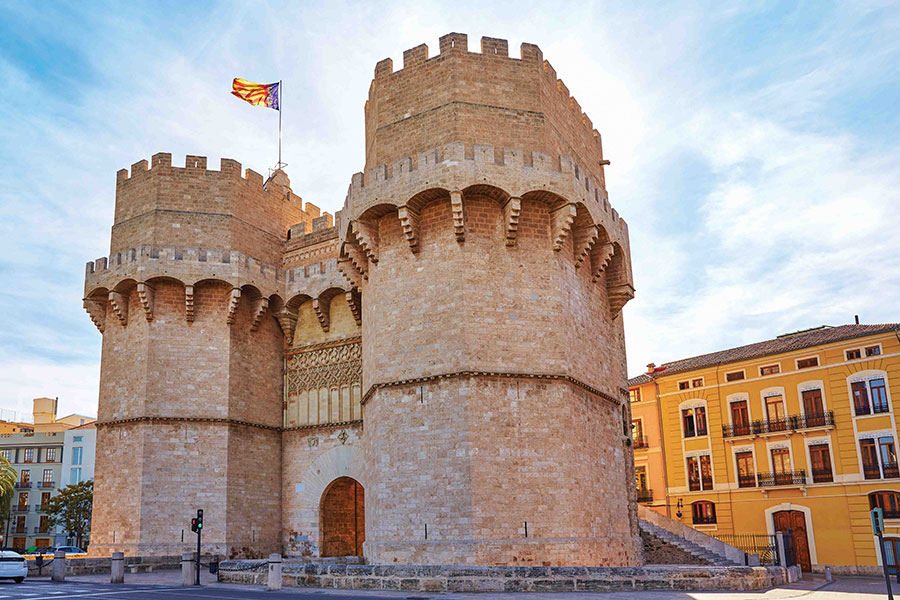 The FSU Valencia Study Center, located behind the Serranos Towers. (International Programs)
FSU’s first study abroad program in Spain went to Madrid during the summer of 1997 under the direction of Robert L. Smith, a professor in the College of Music. For several years the program continued to operate in Madrid during the summer and in Torremolinos, a coastal city about five hours south of Madrid, during the fall and spring semesters.
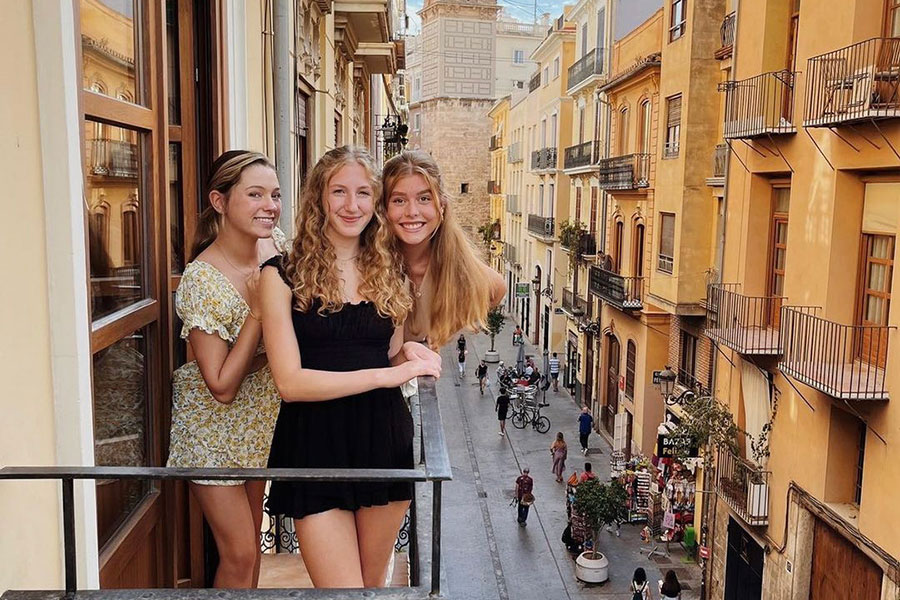
During the summer of 1999, program participants visited Valencia, a vibrant Mediterranean city, for the first time and fell in love with the city. That next summer, the program relocated to Valencia, and in 2001 the FSU Spain program started operating year-round in the city, offering FSU students the opportunity to immerse themselves in the Spanish language and culture.
Local staff improved the immersion process, and the Garnet Study Center building was purchased in 2004. After renovations, the Garnet Study Center and apartment building was inaugurated by Jim Pitts, director of International Programs at the time, and FSU President T.K. Wetherell in 2007. It’s located in the heart of the city’s historic district just behind the iconic Torres de Serranos.
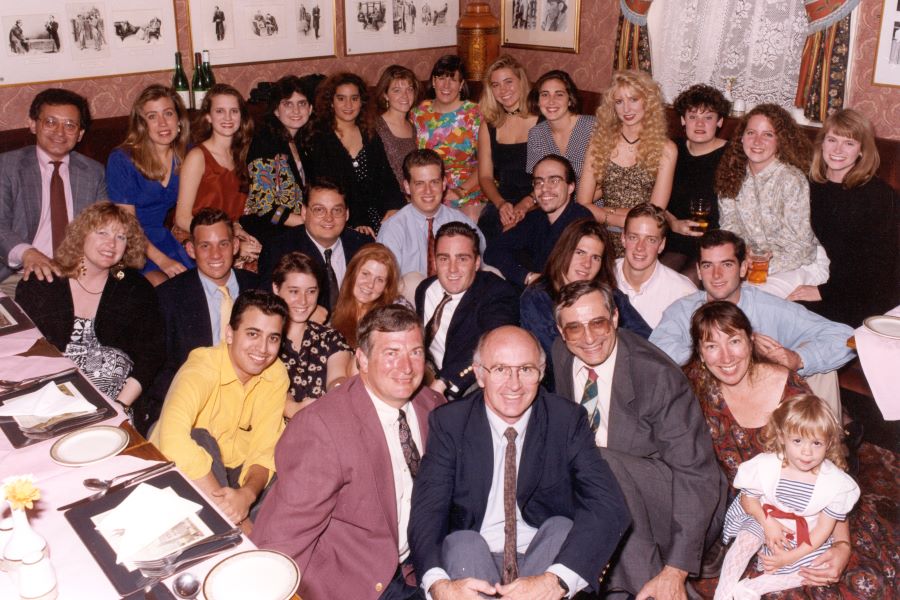
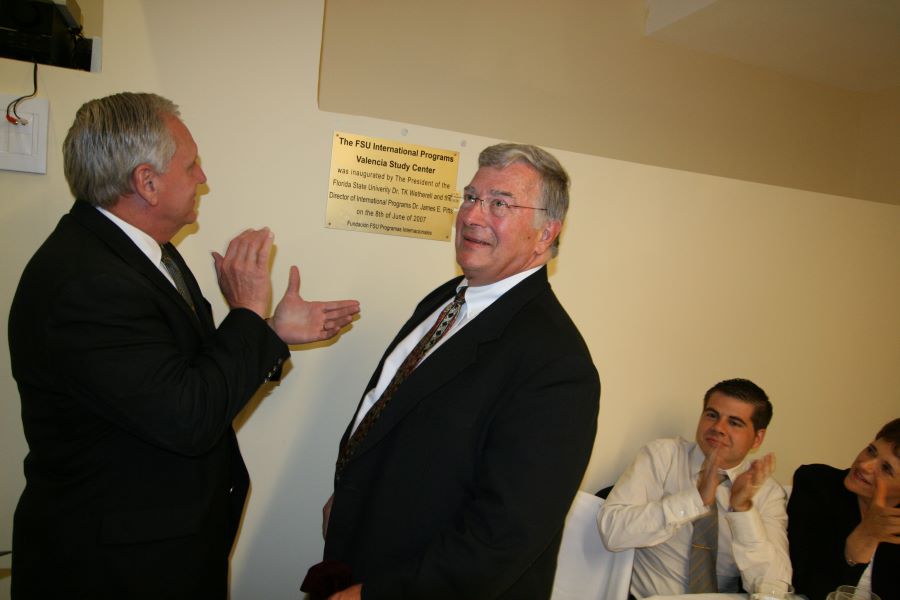 T.K. Wetherell (left), FSU’s 13th president from 2003 to 2010, and Jim Pitts, former director of International Programs, at the inauguration of the Garnet Study Center at FSU Valencia in 2007. (International Programs)
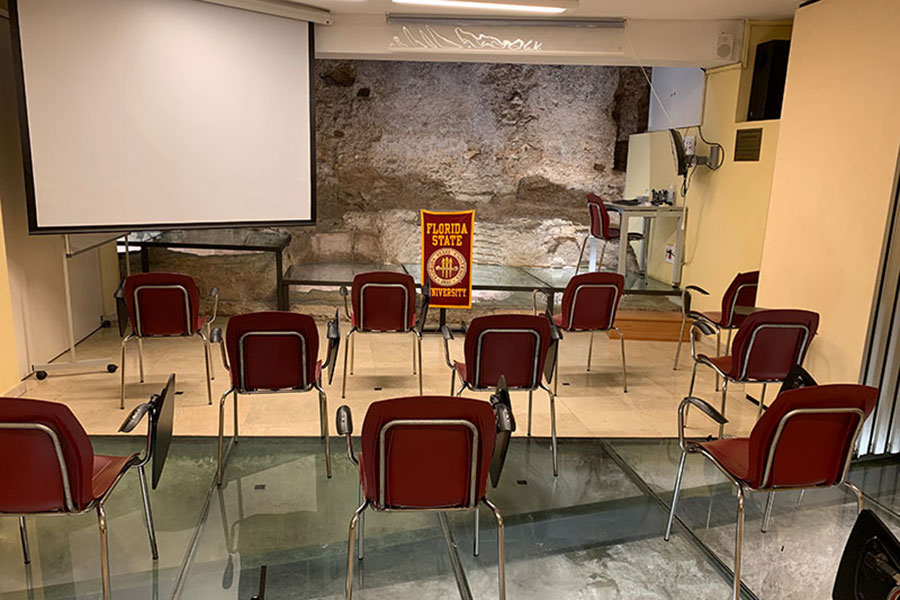
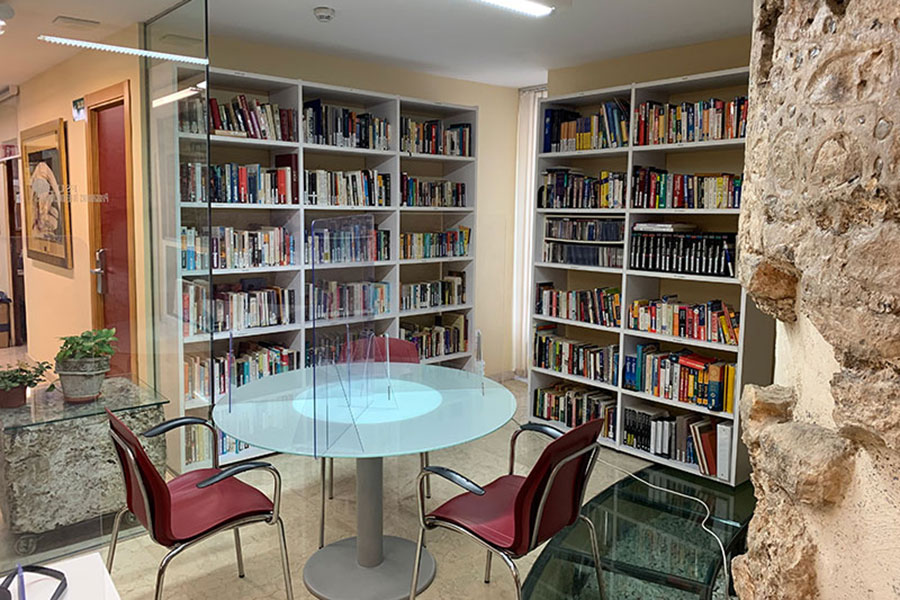
In 2013, International Programs acquired a second building in the historic city, and the Gold FSU Valencia building welcomed its first cohort of students in 2014. The buildings bring history to life, preserving an exposed 10th century Moorish wall and incorporating glass floors revealing 14th century leather tanning tanks. Centuries of history are showcased alongside modern classrooms, study spaces, offices and a computer lab.
FSU Valencia celebrated its 25th Anniversary in 2022, with around 15,000 students and faculty that have taught and studied abroad with FSU International Programs in Spain.
| # | Наименование новости | Тональность | Информативность | Дата публикации |
|---|---|---|---|---|
| 1 | FSU leads in transfer student success with statewide record graduation rate; staff earn national awards | 0 | 14.7 | 23-09-2026 |
| 2 | FSU celebrates Careers in Student Affairs Month with opportunities for students to explore the profession | 0 | 13.56 | 01-10-2026 |
| 3 | FSU Honors Program introduces new Graduate Teaching Fellowship | 0 | 16.38 | 28-09-2026 |
| 4 | Seminole Futures Week connects FSU students with career opportunities | 0 | 19.84 | 21-09-2026 |
| 5 | Florida State University to recognize distinguished honorees during Homecoming weekend | 0 | 14.51 | 01-10-2026 |
| 6 | FSU’s 2026 Homecoming to feature extended parade, Seminole LIVE! 175 community carnival | 0 | 21.13 | 21-09-2026 |
| 7 | The Big Story: September 21, 2026 | 0 | 26.78 | 21-09-2026 |
| 8 | The Big Story: October 5, 2026 | 0 | 19.75 | 05-10-2026 |
| 9 | The Big Story: September 28, 2026 | 0 | 20.89 | 28-09-2026 |